Related Articles
- Invisible Threads: How Cultural Heritage Fuels Economic Growth in Off-the-Radar Communities
- How Unconventional Hobbies Can Boost Your Income: Exploring Unlikely Paths to Financial Enlightenment
- Uncommon Currents: How Waterways and Navigation Shaped Unexpected Economic Trajectories in Historical Contexts
- Whispers of Change: The Unlikely Role of Folklore in Crafting Today’s Privacy Policies and Data Protection Laws
- Surreal Shifts: The Unforeseen Role of Psychedelic Wellness in Global Consumer Preferences
- Unveiling the Financial Folly: How Conspiracy Theories Influence Market Behavior and Investor Sentiment
Bartering with the Past: How Uncommon Exchange Systems Shaped Global Economic Landscapes Through Time
Bartering with the Past: How Uncommon Exchange Systems Shaped Global Economic Landscapes Through Time
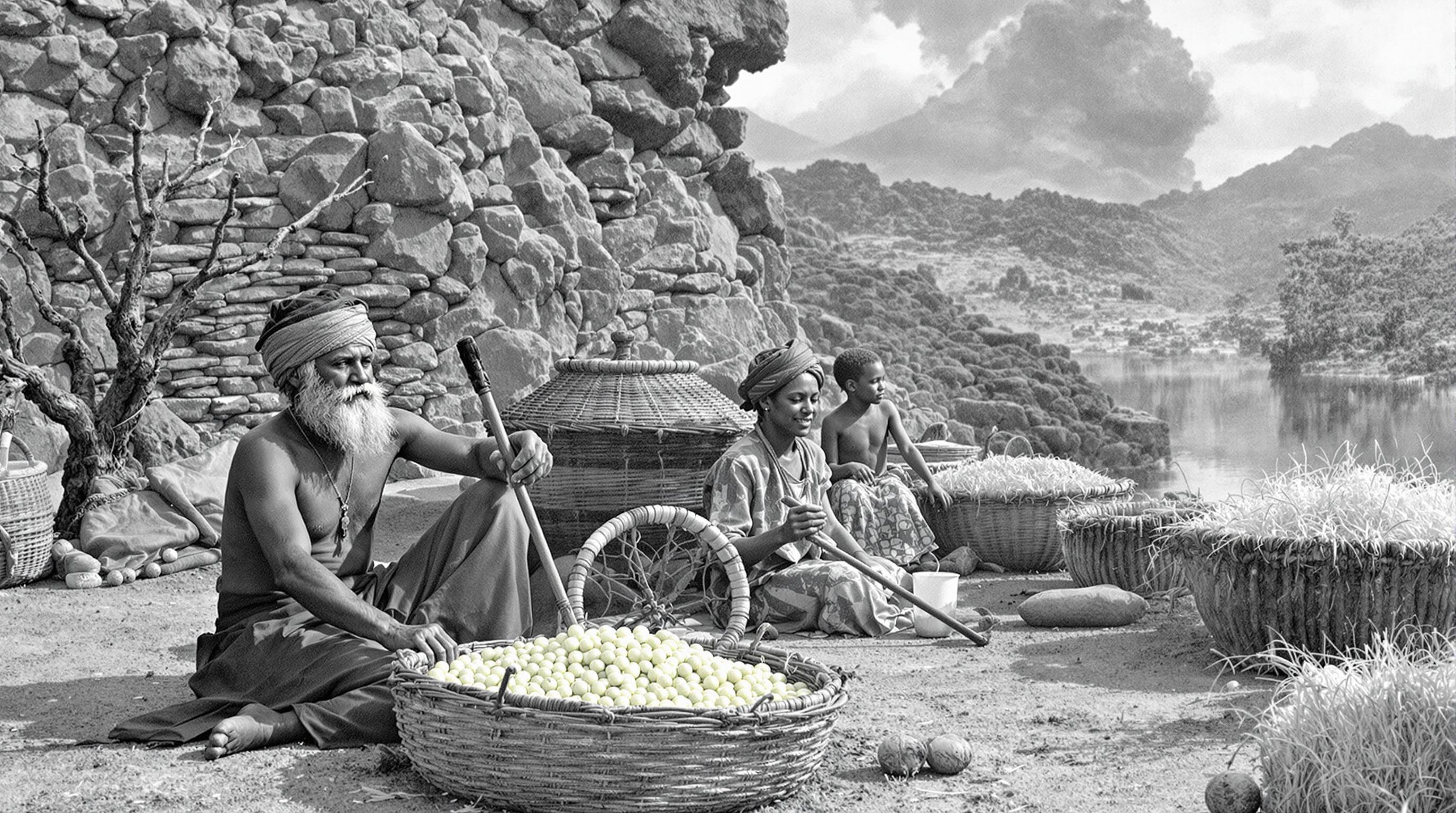
Bartering has long been a cornerstone of trade, forming the bedrock for modern economic systems. By examining the evolution of these uncommon exchange systems, we uncover a rich tapestry that has shaped global economic landscapes over centuries.
The Charm of Bartering: A Personal Anecdote
Picture this: It's a sunny Saturday morning at a bustling farmer’s market. Armed with a basket of fresh vegetables from my garden, I’m on a mission to find homemade jam. As I approach a vendor, I strike up a conversation, and before I know it, I've traded a sack of heirloom tomatoes for a jar of sweet strawberry jam. This low-tech, joy-filled exchange encapsulates the essence of bartering, a practice that's as old as civilization itself.
History in the Making: Bartering Through Ages
Bartering dates back to around 6000 BC, initially employed by the Mesopotamians who exchanged commodities to meet their needs. This early form of trading was simple—cattle and grain were often at the forefront of these exchanges, paving the way for the basic economic systems we recognize today.
While many believe bartering is an outdated method of commerce, it remains relevant in various forms today, especially in local economies. For instance, exchanges in online barter communities have become increasingly popular, with platforms facilitating trades without monetary transactions. According to statistics from the International Barter Association, 15% of all U.S. businesses engage in some form of barter, showcasing its enduring appeal.
A Lesson in Economics: The Great Depression
During the Great Depression of the 1930s, with the United States economy in shambles, bartering served as a survival mechanism for many. People turned to commodities—food, clothing, and services—in lieu of currency, highlighting a resilience that harkened back to ancient times. In fact, some historical accounts suggest that barter systems thrived in urban areas where cash was scarce, allowing communities to sustain themselves.
Surprising Statistics in the Barter Economy
Did you know? In 2021, an estimated $12 billion in goods and services were traded through barter in the U.S. alone. This figure signifies just how impactful an alternative economy can be, reflecting ingenuity and resourcefulness in challenging times.
The Digital Shift: Barter in the Modern Era
Fast forward to the 21st century; technology has transformed bartering into an accessible and often preferred method of exchange. Mobile apps like “Barter8” and websites like “Swapart” bridge gaps between film equipment rentals, home repairs, and even skill-sharing, proving that the human desire to trade what we have for what we want is timeless.
A Persuasive Argument for Bartering
If you’re skeptical about bartering, consider this: it promotes community resilience and environmental sustainability. By relying on local goods and services, we contribute to reducing carbon footprints and supporting local artisans. Isn’t it comforting to think that every time we trade a handmade craft for fresh produce, we’re fueling a cycle of goodwill? Embracing bartering can thus act as a rebellion against overly consumerist behaviors. Instead of hoarding, we start sharing.
Global Bartering: A Case Study
Take a look at the barter economy of the Inuits in Canada; their communal exchanges of hunting and fishing goods exemplify a tightly-knit framework of cooperation and mutual support. The palpable trust built within these communities reinforces the value of social connections over monetary gain. Modern researchers note that, by practicing this age-old system of exchange, Inuits not only retain cultural heritage but also ensure food security among their people.
Then there's the fascinating tale of the Sardine Swap Initiative in the UK, where locals can exchange their surplus food for meals at local eateries facing food wastage. This method not only feeds the community but significantly cuts down on waste, showcasing the innovative potential of bartering systems.
The Psychology Behind Bartering
Why do we barter? Human nature dictates a desire for fairness, belonging, and community. Unlike conventional shopping, bartering produces emotional satisfaction—personally engaging instead of passively consuming. Studies indicate that feeling part of a fair trade invigorates our sense of belonging to a community, thus bridging gaps between societal classes.
The Humor in Bartering: A Couple of Misunderstandings
Let’s not forget the humorous side of bartering. I once tried to barter an old laptop for a set of vintage vinyl records. As it turns out, the vendor thought I meant an actual working laptop as opposed to the one with a cracked screen! The mix-up led to laughter, but it further solidified the importance of clear communication in barter exchanges.
Regulations and Barter: Keep It Legal
Engaging in bartering can be thrilling, but it’s crucial to stay within legal boundaries. In most regions, the barter exchange is treated as taxable income. In the U.S., the IRS mandates that you report the fair market value of goods exchanged, highlighting a necessary awareness for those excited to trade their way to prosperity. Don’t let the thrill of the exchange blind you; keep your transactions above board!
Bartering: The Future?
As we navigate the complexities of an ever-changing economic landscape, bartering stands as a viable alternative, one that is gaining traction. Whether it’s sharing skills, exchanging services, or trading goods, the concept of bartering resonates with individuals and communities aiming for sustainability and empowerment.
On a global scale, envision a world where bartering can mitigate economic inequality and foster human connection. Imagine a future where cities embrace decentralized systems of trade—transforming waste into value, and dispossession into abundance. That’s not just a fantasy: it’s the potential reality that bartering can foster.
Conclusion: Embrace the Old, Make It New
In a fast-paced world, tangibly connecting with others through bartering offers a refreshing alternative to the transactional nature of modern commerce. By learning to value resources beyond mere currency, we unlock new possibilities within our communities. So next time you find yourself at a market, or even in your neighborhood, consider where you might barter—because you might just ignite a movement of exchange that reshapes our economic landscapes for generations to come.
In the end, bartering isn’t just about trading—it’s about connecting, sharing, and creating an authentic economy that recognizes the intrinsic value of human relationships. Who knew that trading sweet strawberry jam for heirloom tomatoes could encapsulate such transformative power?
Read More