
Related Articles
- Invisible Threads: How Cultural Heritage Fuels Economic Growth in Off-the-Radar Communities
- How Unconventional Hobbies Can Boost Your Income: Exploring Unlikely Paths to Financial Enlightenment
- Uncommon Currents: How Waterways and Navigation Shaped Unexpected Economic Trajectories in Historical Contexts
- Whispers of Change: The Unlikely Role of Folklore in Crafting Today’s Privacy Policies and Data Protection Laws
- Surreal Shifts: The Unforeseen Role of Psychedelic Wellness in Global Consumer Preferences
- Unveiling the Financial Folly: How Conspiracy Theories Influence Market Behavior and Investor Sentiment
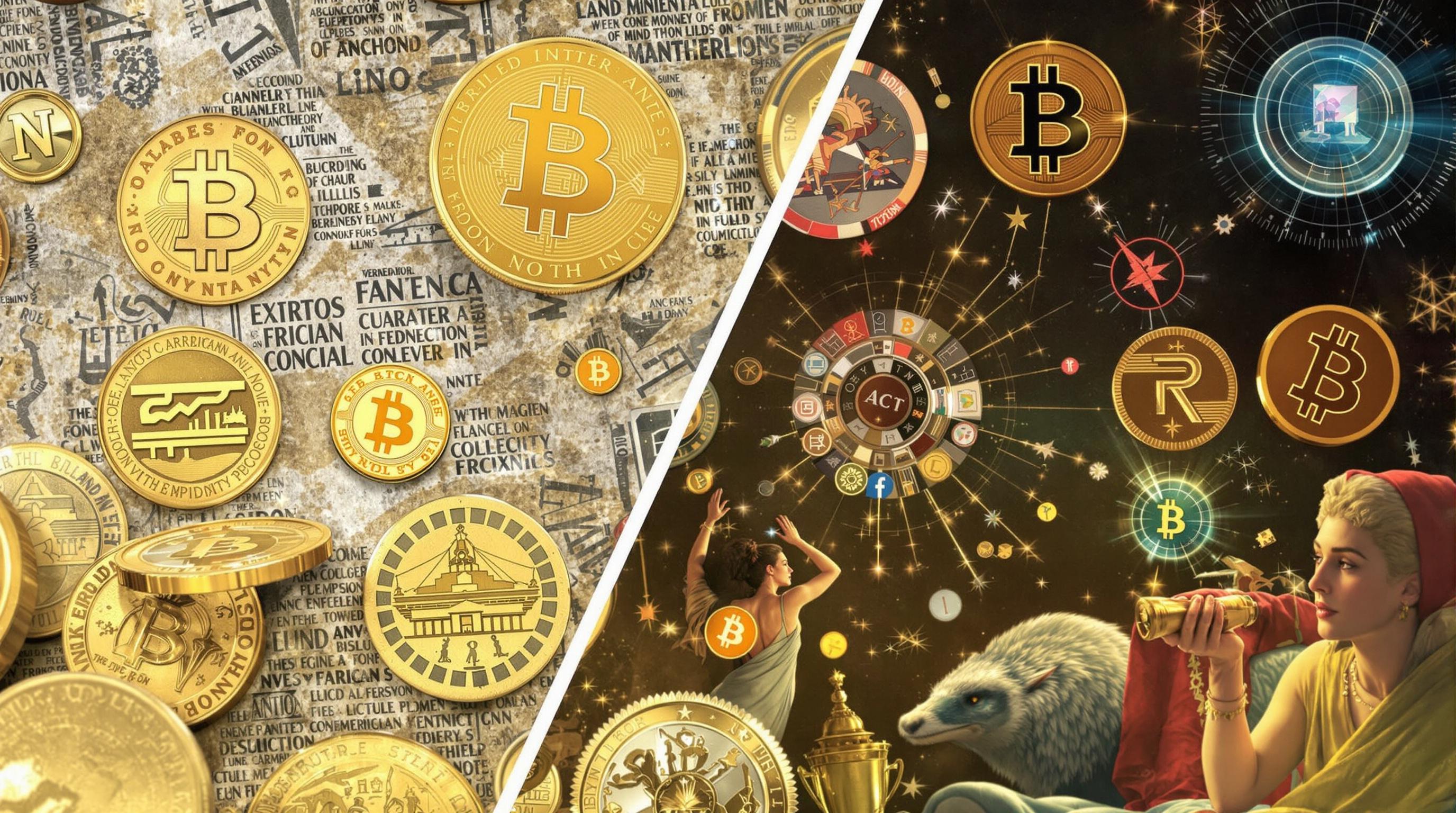
Crypto Empires of Antiquity: Surprising Parallels Between Ancient Monetary Systems and Today’s Digital Assets
Crypto Empires of Antiquity: Surprising Parallels Between Ancient Monetary Systems and Today’s Digital Assets
The evolution of monetary systems reveals fascinating similarities between the barter-based economies of antiquity and modern digital assets. Both eras, separated by millennia, find central themes of trust, value, and community deeply woven into their respective financial tapestries.
The Currency of Trust
Trust has always been the bedrock of monetary systems. In ancient Greece, coins were stamped with images of gods and leaders, representing not only wealth but also the prevailing societal values and trust in the state. Without trust in the issuing authority, the coins would merely be shiny metals rather than currency. Similarly, in today's digital age, cryptocurrencies like Bitcoin rely on blockchain technology to provide a decentralized ledger, fostering trust without centralized authority. According to a 2021 report by the Cambridge Centre for Alternative Finance, over 300 million people worldwide owned some form of cryptocurrency, showing a growing trust in digital assets that mirrors historical reliance on tangible currency.
A Brief History of Ancient Liquid Assets
Jumping into the ancient world, let's talk about Mesopotamia—a land often hailed as the cradle of civilization. Here, the Sumerians developed one of the first known currencies: barley. This was not simply a foodstuff, but a standard unit of value, establishing an early economy built on agriculture and trade. As anthropologist David Graeber discusses in his book *Debt: The First 5,000 Years*, this barter-based system eventually gave rise to more complicated forms of monetary transactions, resembling the intricate exchanges of cryptocurrencies today. Interestingly, barley contracts were inscribed on clay tablets, which parallels how transactions on the blockchain are permanently recorded in a digital ledger!
Examples of Value Exchange
Speaking of barley, let’s pull up some interesting statistics! The Code of Hammurabi, dating back to 1754 BC, features economic regulations that ensured fair trade practices, much like the self-regulated nature of digital assets today. For instance, rules concerning loans, interest rates, and asset exchanges were essential for maintaining societal balance.
Fast-forward to the present, the principles that governed contracts in ancient economies echo in smart contracts today. These automated transactions execute when certain conditions are met, ensuring that both parties honor their agreements, akin to how ancient merchants had to rely on honored promises and societal consequences to uphold trades. Imagine a world where ancient merchants had a digital ledger—a *scribal blockchain*. Discussions around smart contracts even featured on episodes of *NPR's Planet Money*, illustrating how the past informs the future.
Fun With Coinage: A Humorous Take
Imagine an ancient Roman walking into a modern-day cryptocurrency exchange. "What's this?" he asks, staring bewildered at screens depicting wild price fluctuations. "I thought coins were supposed to be made of precious metal!" What a sight that would be—two worlds colliding over the common idea of currency—but I can assure you, our Roman friend would likely prefer the simplicity of his denarius over the complexities of cryptographic wallets!
Lessons from the Trade Routes
Trade routes in antiquity, like the Silk Road, brought together diverse cultures and goods, democratizing wealth and access much like today’s global digital platforms. In the ancient world, trade was a risky yet rewarding endeavor, just as investing in cryptocurrencies can evoke feelings of both exhilaration and trepidation. For example, the historical spice trade established numerous economic connections across continents, paving the way for the global economy we witness now—which certainly includes the rise of blockchain and digital currencies!
However, with every great innovation comes a risk—historically, caravans loaded with precious goods were also fraught with dangers. Similarly, the allure of quick gains in crypto trading comes with inherent risks, as evidenced by the infamous collapse of the Mt. Gox exchange in 2014, when over $450 million worth of Bitcoin was reported stolen. Understanding historical trade mishaps can aid modern investors in navigating today's volatile digital marketplace.
The Role of Community in Currency
Throughout history, the role of community has been instrumental in establishing economic systems. The merchants of ancient times formed guilds, relying on shared trust and community standards to bolster their trading operations. Today, communities like those surrounding Bitcoin and Ethereum play similar roles, where hashing out code changes or discussing market movements happen in online forums and meetups. According to the *Global Cryptocurrency Adoption Index* by Chainalysis, countries such as Vietnam and India exhibit remarkable community-driven cryptocurrency adoption, illustrating that human connection remains vital to our economic ecosystems.
Artistry in Ancient Coins
Flipping to artistry, ancient coins weren't merely currency but also mediums for storytelling. They showcased images that depicted mythology, political events, and cultural symbols, acting both as currency and craft. In a surprising parallel, various cryptocurrencies have taken to artistic expression as part of their branding. Take, for example, Bitcoin’s logo: a stylistic ‘B’ that has transcended simple marketing to become an iconic symbol associated with financial revolution and digital freedom. As digital assets evolve, how they brand themselves artistically could determine their societal impact much like ancient coins!
Cryptocurrency: A Modern Phenomenon with Ancient Roots
Today, investing in cryptocurrencies is often seen as cutting-edge, revolutionizing the concept of money. Yet, as discussed throughout these sections, traces of these innovative ideas can be found in ancient practices that shaped societies. The Greeks, Romans, and Sumerians didn't merely exchange coins; they were engaging in sophisticated social contracts built over centuries of interaction—far more advanced than mere barter.
For instance, consider Korea’s cryptocurrency boom; services and platforms sprung up practically overnight. How thrilling it is to see entire nations embrace digital currencies, reminiscent of how ancient societies leveraged local resources and expertise for trade. According to the *World Economic Forum*, up to 10% of the world's GDP could be stored on blockchain technology, predicting a future where economic systems once rooted in antiquity could flourish anew.
The Future of Money? A Common Thread
So what does the future hold for currencies? If we look back at historical cycles, we may find that every new form of currency—be it crafted coins, paper money, or cryptocurrency—often carries the same intrinsic goals: ease of trade, portability, and trust. These themes bind our modern era to antiquity in a way that extends beyond mere economics; it reflects our shared human experience across time.
Ultimately, the intersection of ancient and digital monetary systems offers valuable lessons for today’s investors and consumers alike. Those who recognize historical lessons can navigate the complexities of modern finance with more confidence and mindfulness. Innovations may change the landscape, but the human element—trust, community, and value—remains constant throughout centuries.
So, whether you are a curious teenager delving into crypto or a wise sage recalling the days of coinage, keep this parallel close: Every coin, from ancient times to today's digital assets, tells a story of humanity’s quest for value and connection.
Read More