Related Articles
- Invisible Threads: How Cultural Heritage Fuels Economic Growth in Off-the-Radar Communities
- How Unconventional Hobbies Can Boost Your Income: Exploring Unlikely Paths to Financial Enlightenment
- Uncommon Currents: How Waterways and Navigation Shaped Unexpected Economic Trajectories in Historical Contexts
- Whispers of Change: The Unlikely Role of Folklore in Crafting Today’s Privacy Policies and Data Protection Laws
- Surreal Shifts: The Unforeseen Role of Psychedelic Wellness in Global Consumer Preferences
- Unveiling the Financial Folly: How Conspiracy Theories Influence Market Behavior and Investor Sentiment
The Unseen Threads: How Obscure Artisan Economies Influenced Global Trade in the Shadows of History
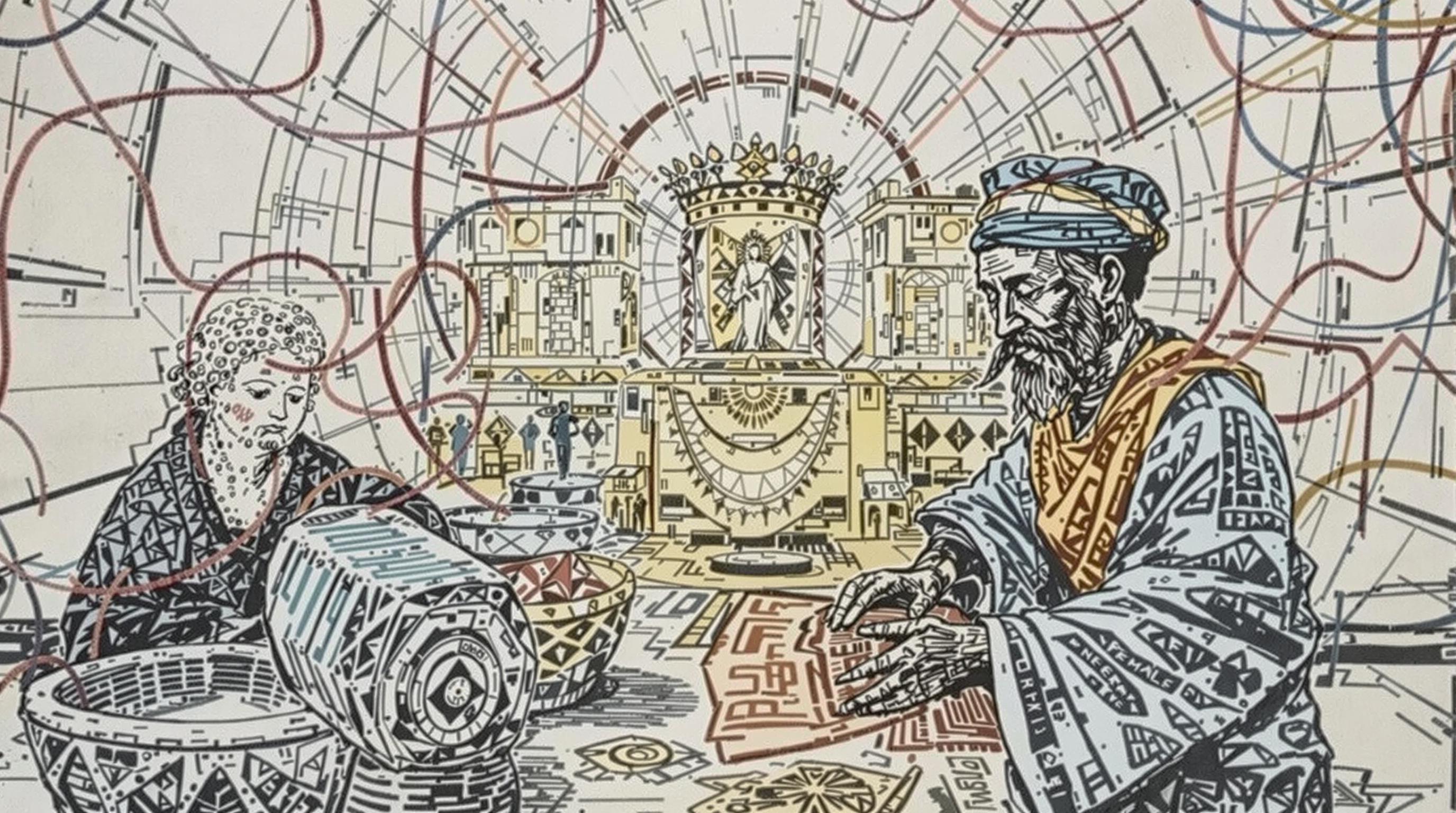
The Unseen Threads: How Obscure Artisan Economies Influenced Global Trade in the Shadows of History
In the intricate tapestry of global trade, the unseen threads formed by obscure artisan economies have played a significant role in shaping history and commerce. This article explores how these hidden influences, from ancient times through modernity, have forever altered the landscape of trade around the world.
The Artisan Economy: A Brief Overview
Artisan economies represent local crafts and tradespeople whose skills have been passed down through generations. The Unseen Threads aren’t just about the looms and kilns of yore; they encompass the rich stories, cultural practices, and economic impacts of artisans through centuries. From handmade textiles in Guatemala to intricate beading in Africa, each item tells a tale that translates directly into economic value.
The Power of Handcrafted Goods: Numbers Don't Lie
Statistics can speak volumes, don't they? According to a report by the International Labour Organization (ILO), more than 200 million people are directly engaged in craft production worldwide. This evidence suggests that artisan goods contribute about $80 billion to global trade annually. The impact may be underestimated, considering these crafts often traverse informal markets and make their way into vibrant global exchanges.
Case Study: The Mexican Day of the Dead Market
Take a moment to envision the vibrant colors and intricate designs of the goods sold during Mexico’s Day of the Dead. Each calavera (skull) and papel picado (perforated paper decorations) not only plays a role in cultural expression but also injects an estimated $1.4 billion into the local and international economy each year. While the festivities celebrate the past, they also fuel a modern economic ecosystem that extends far beyond Mexico’s borders.
Humor in the Craft: The Joy of Artisan Trades
Now, wouldn’t it be nice if your favorite artisan market had a “buy one, get one free” offer? But here’s the catch: grabbing a pair of those unique hand-woven mats might also mean a home filled with the aroma of ancient weaving techniques and a newfound appreciation for the artisans' skills. Who would have thought a simple mat could narrate centuries of cultural heritage? So, in the grand scheme of trade, those artisans deserve a gold star, or at the very least, a “Handmade with Love” badge!
Cultural Exchange Amidst Trade Routes
Throughout history, artisan economies have been a canvas for cultural exchange. The Silk Road, for instance, was not merely a trade route for silk but a vibrant artery for ideas. According to historian Xinru Liu, products exchanged included everything from spices to artistic techniques, introducing different cultures to one another while boosting local economies. The glittering allure of silk was just the tip of the iceberg, as craftspeople reinterpreted each other's techniques, creating new art forms.
The Surprising Web: Six Degrees of Artisan Economy
Have you ever played the game of “Six Degrees of Kevin Bacon”? Well, we can play a version with artisans — “Six Degrees of Craftsmanship”! Imagine a handmade Italian ceramic reaching a table in a bustling New York restaurant, which then draws visitors from around the world. That piece of art carries stories that connect local artisans to global consumers, forming invisible ties that enrich both economy and culture alike.
Artisans in the Modern Marketplace
In today’s hyper-globalized economy, many artisans still struggle for recognition. Whether through social media platforms, e-commerce sites, or artisanal markets popping up in big cities, they cling to the hope that their crafts can find buyers who understand the intrinsic value beyond the price tag. For instance, Etsy has emerged as a platform for these artisans, giving rise to a new demographic of conscious consumers who crave the authenticity and uniqueness that handcrafted products offer.
Regeneration of the Artisan Sector in Post-Pandemic Times
COVID-19 brought economic devastation across the globe, but it also offered a unique opportunity for artisan economies to induce direct support. According to the Global Craft Initiative, 67% of artisans reported increased interest in their goods post-pandemic from local and global customers looking for sustainable alternatives to mass-produced items. This presents an exciting opportunity — could this lead to a revival of local traditions and crafts that underpin artisan economies?
Environmental Impacts of Artisan Economies
Let’s face it; the modern consumer is more eco-conscious than the average person on the street ten years ago. As more consumers gravitate toward sustainable craftsmanship, artisan economies offer a solution. A study published by the Journal of Sustainable Tourism emphasized that buying artisan goods not only supports the local economy but also reduces the carbon footprint associated with mass production and transportation of items from far distances.
The Invisible Hands: Women Artisans
Historically, women have been the backbone of many artisan economies. From Bhutanese weavers to Indian potters, they typically weave and sculpt traditional crafts that are deeply embedded in their culture. Nevertheless, as per a report by the United Nations, women represent approximately 80% of the global artisan workforce but often lack access to resources and markets. Addressing these disparities can not only empower communities but also enrich global cultures.
The Globalization Dilemma: Authenticity vs. Mass Production
Globalization has a funny way of blurring the lines. With the rise of mass production, a buyer might find themselves torn between purchasing a handcrafted item that supports artisan cultures and a factory-made piece that mirrors the charm but lacks authenticity. One interesting case is the rise of imitation “artisan” goods in major retailers, which threatens the livelihoods of genuine artisans. In a consumer-oriented society, promoting awareness of the value of authentic work is crucial for safeguarding these unseen threads.
Conclusion: Weaving the Future
Artisan economies may often play in the shadows of history, but their significance interweaves with the fabrics of our modern lives every day. As consumers, we hold the power to steer trends and practices; supporting these artisans means valuing craftsmanship, tradition, and a sustainable future. As we navigate this uncharted territory of global trade, let us carry their stories with us and tread lightly so that the unseen threads can continue to flourish for generations to come.
Read More