Related Articles
- Invisible Threads: How Cultural Heritage Fuels Economic Growth in Off-the-Radar Communities
- How Unconventional Hobbies Can Boost Your Income: Exploring Unlikely Paths to Financial Enlightenment
- Uncommon Currents: How Waterways and Navigation Shaped Unexpected Economic Trajectories in Historical Contexts
- Whispers of Change: The Unlikely Role of Folklore in Crafting Today’s Privacy Policies and Data Protection Laws
- Surreal Shifts: The Unforeseen Role of Psychedelic Wellness in Global Consumer Preferences
- Unveiling the Financial Folly: How Conspiracy Theories Influence Market Behavior and Investor Sentiment
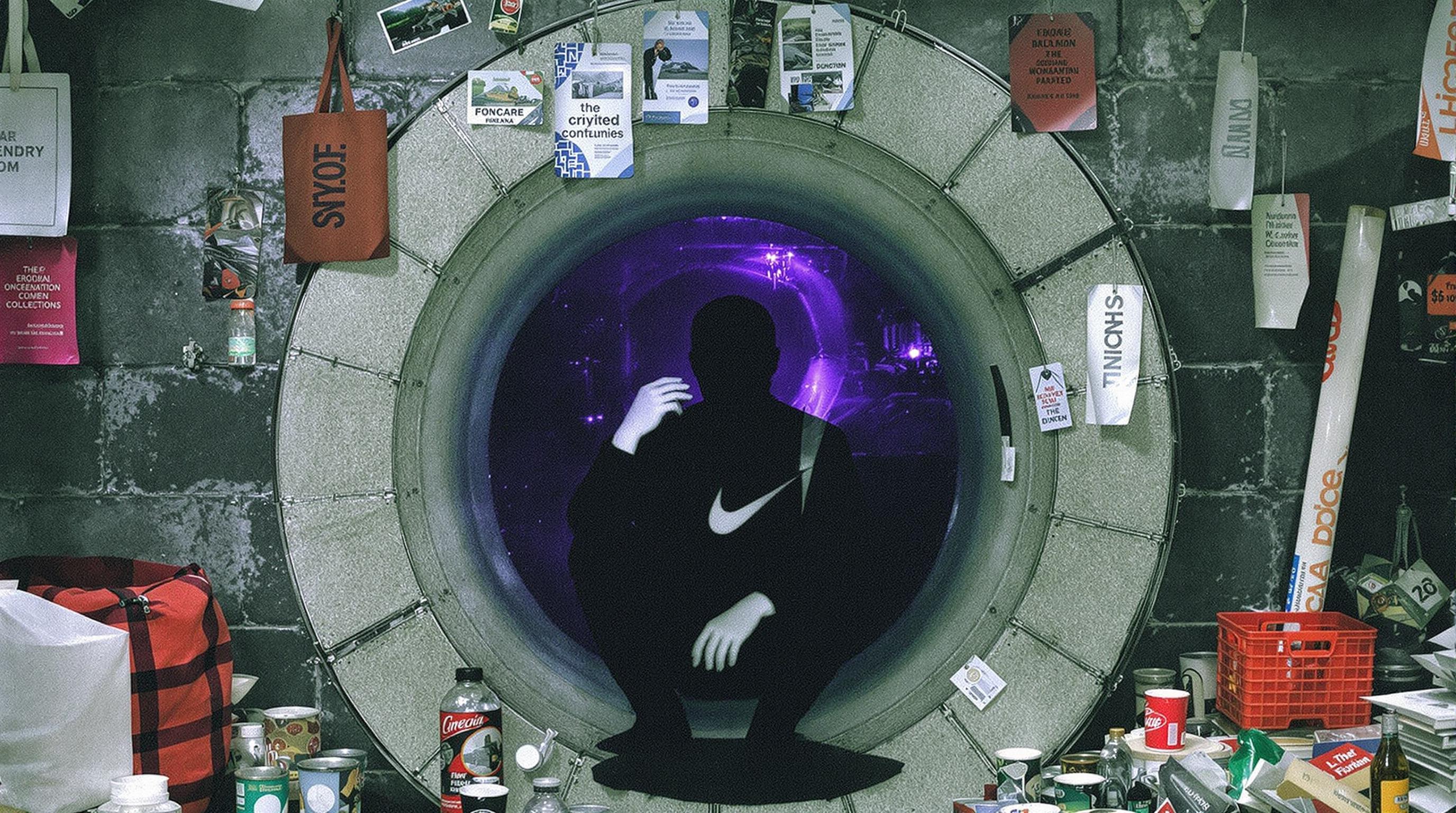
Decoding Underground Economies: How Unofficial Markets Navigate Global Financial Crises
Decoding Underground Economies: How Unofficial Markets Navigate Global Financial Crises
Underground economies are a fascinating and complex lens through which to view global financial crises. As formal financial systems falter, these unofficial markets adapt and thrive, influencing both local and international dynamics.
A Brief History of Underground Economies
The world of underground economies is not a new phenomenon; in fact, it has roots that stretch back centuries. During the Great Depression in the 1930s, for instance, many people turned to barter systems and unofficial trading to navigate their financial woes.
What Exactly Is an Underground Economy?
An underground economy, often referred to as the shadow economy, includes all economic activities that occur outside of formal regulations and are not captured in government statistical data. Examples range from street vendors and unregistered businesses to more illicit activities like drug trafficking.
Navigating Crisis: Case Studies
Take Greece, for example, which faced a severe financial crisis starting in 2009. To cope, many citizens turned to informal work, with an estimated 24% of the country’s economy shifting to the underground sector (OECD, 2020). Farmers began trading produce directly, bypassing traditional market routes, demonstrating the resourcefulness of people when faced with systemic failures.
Statistics That Speak
It’s estimated that global underground economies contribute around $10 trillion to the world GDP—nearly 12% of the total. In developing nations, this percentage can spike up to 40%. The International Labour Organization (ILO) reports that about 1.8 billion individuals, or roughly half the global workforce, work in the informal economy. Isn’t that staggering?
Humor in Hard Times
One might say that during a financial crisis, the underground economy is like that friend who shows up uninvited but somehow makes the party more interesting. You know, the one who brings a dubious-looking bottle of homemade vodka and insists on playing Monopoly with rules they made up! In times of distress, these unofficial markets can indeed inject a bit of flavor into the drab landscape of economic despair.
Gold in the Shadows: How Underground Economies Provide Resilience
During times of financial turmoil, underground economies often provide a safety net for those who have been pushed out of traditional employment. A report by the World Bank highlights that in countries like Nigeria, where significant economic challenges exist, approximately 60% of the labor force relies on informal employment to survive. This adaptability demonstrates the inherent resilience of these unofficial markets.
Productivity and Innovation
Interestingly, the underground economy often leads to increased levels of creativity and entrepreneurial spirit. From innovative tech solutions that arise without hefty overhead costs to community-based projects providing essential services—these markets embody Darwinian economics in action. They adapt and evolve in response to the conditions presented to them.
Storytelling: Personal Accounts
Consider Maria, a 34-year-old street vendor from Venezuela. After the economic crisis turned her life upside down, she began selling homemade arepas on the streets. “It felt like a gamble,” she recalls. “But it was that or starve. Now, I’m not only able to feed my family but also support my community.” Maria's story is one of countless others echoing resilience amid economic despair.
Risks of the Underground Economy
Yet, it’s not all sunshine and rainbows in the underground economy; it comes with risks. Workers in these sectors often lack legal protections, exposing themselves to unstable income, exploitation, and lack of access to social security benefits. A study by the Asian Development Bank found that informal workers often earn 50% less than their formal counterparts, revealing another layer to the complexities of these markets.
Government Response and Regulation
Recognizing the significance of underground economies, some governments have attempted to bring these markets into the fold. For instance, countries like Kenya have created mobile payment systems that enable informal workers to gain more visibility and legitimacy. By doing so, they attempt to reduce the fragmentation and risks associated with underground work while tapping into its economic potential.
Lessons from the Shadows
Underground economies reveal vital lessons about human ingenuity and the need for adaptability in the face of adversity. As traditional economies collapse or falter, these unofficial markets underscore the importance of community and innovation. They remind us that while we might love to debate the exact definitions of “legal” and “illegal,” some truths are best captured in the gray areas.
Final Thoughts: Bridging the Divide
As we navigate increasing economic uncertainty, understanding and potentially incorporating elements of underground economies into formal policies might pave the way for a more resilient economic future. In doing so, we may discover new avenues to enhance financial stability globally and unlock the creativity and entrepreneurial spirit embedded in these informal markets. Who knows? The next groundbreaking innovation might just emerge from an underground economy!
The Untold Truths of Underground Economies
In conclusion, underground economies serve as a barometer for how societies respond to financial crises. They showcase the choices individuals make when traditional systems fail them, revealing not just resilience but also innovation in economic survival. As we continue to dissect and analyze these shadowy realms, let us keep an eye on the lessons they impart and how we can build better systems for tomorrow, grounded in the realities faced by millions today.
Read More