Related Articles
- Invisible Threads: How Cultural Heritage Fuels Economic Growth in Off-the-Radar Communities
- How Unconventional Hobbies Can Boost Your Income: Exploring Unlikely Paths to Financial Enlightenment
- Uncommon Currents: How Waterways and Navigation Shaped Unexpected Economic Trajectories in Historical Contexts
- Whispers of Change: The Unlikely Role of Folklore in Crafting Today’s Privacy Policies and Data Protection Laws
- Surreal Shifts: The Unforeseen Role of Psychedelic Wellness in Global Consumer Preferences
- Unveiling the Financial Folly: How Conspiracy Theories Influence Market Behavior and Investor Sentiment
The Hidden Influence of Urban Legends on Economic Behavior: Exploring Myths That Shape Market Dynamics
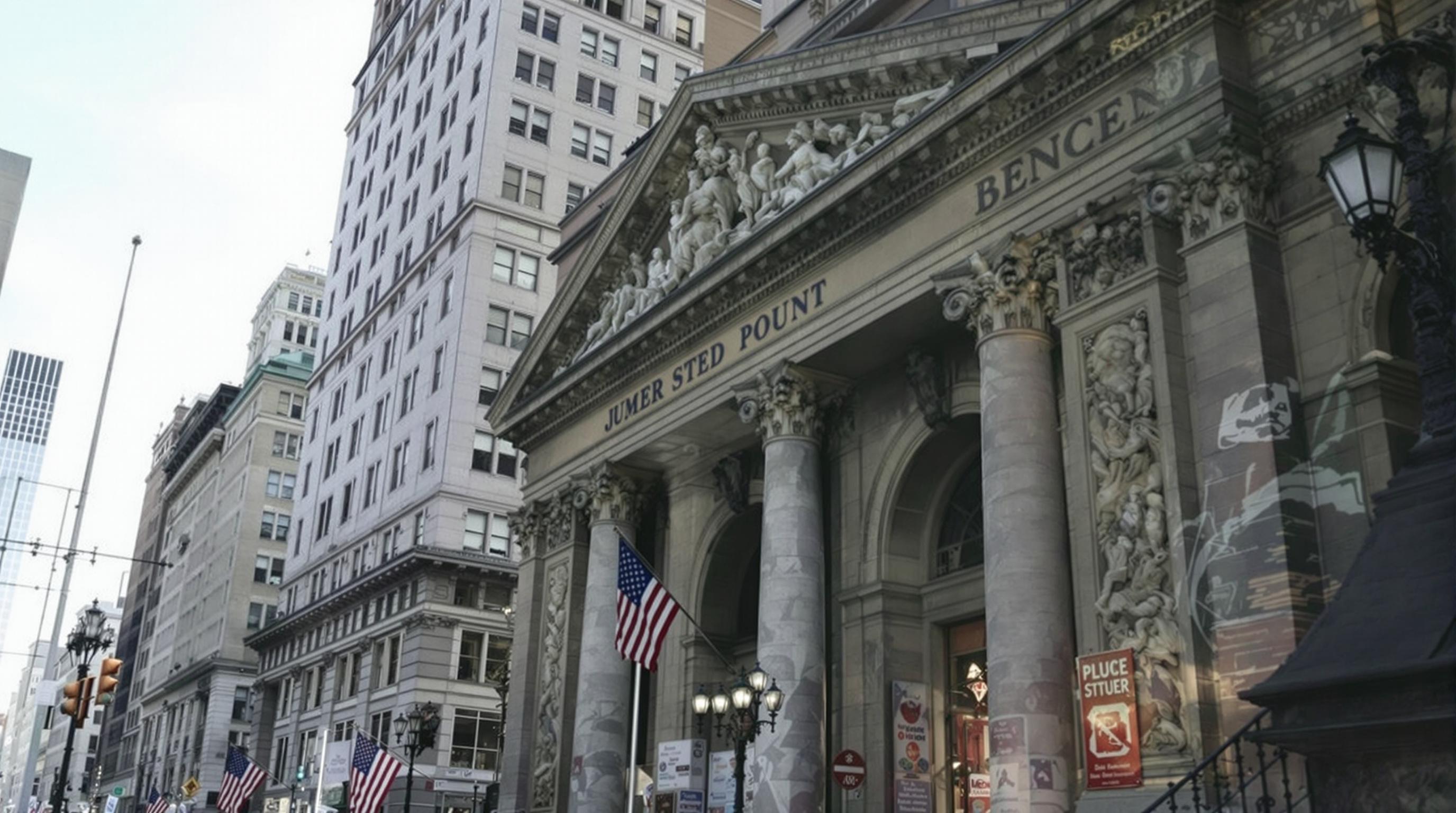
The Hidden Influence of Urban Legends on Economic Behavior: Exploring Myths That Shape Market Dynamics
The undercurrents of urban legends shape economic behavior in ways we often overlook, weaving myths into the very fabric of market dynamics. This exploration delves into the fascinating intersection of folklore and finance, revealing how deeply entrenched tales influence consumer choices and investment strategies.
The Genesis of Economic Myths
Urban legends are compelling narratives that often emerge from cultural intersections. They transform simple anecdotes into powerful stories that propagate through word-of-mouth, social media, and popular culture. A classic example is the myth that "if you eat a certain food before swimming, you'll cramp and drown"—while it’s not scientifically supported, it influences behaviors, much like certain economic myths. These tales create perceptions that can skew decision-making in markets, leading to irrational behaviors that defy traditional economic principles.
How Legends Create Market Bias
Consider the tale of the "Walmart effect," an urban legend that suggests every new Walmart will crash local retail prices and, by proxy, the local economy. While there's some truth to the idea that large retailers can undercut smaller businesses, the widespread belief in this myth has led countless entrepreneurs to consciously or unconsciously avoid starting businesses in communities near a Walmart, out of fear of inevitable failure. As economist David Autor noted in a 2014 study, "The arrival of a large retailer can alter the economic landscape, but the narrative around it becomes exaggerated in the collective psyche, leading to misguided investment decisions." This isn't merely an isolated incident—similar urban legends exist around big tech companies, banks, and even cryptocurrency.
Case Studies: Symbols of Influence
One of the most illustrative examples of urban legends affecting market behavior can be found in the realm of real estate. The idea that ‘a house is always a good investment’ has become one of the most persistent myths in America. People often believe real estate will always appreciate, ignoring the cyclic nature of the market evidenced during the 2008 financial crisis. According to the National Association of Realtors, home values can and do decline—yet these stories of inevitable profit fuel desperate bidding wars and unsound investments, leading to bubbles that are bound to burst.
In a more humorous twist, another urban myth suggests that investing during a full moon leads to more significant profits due to heightened energy levels. While the connection between lunar phases and stock market performance remains tenuous at best, many traders find themselves checking the lunar calendar before making critical investment decisions. A study by the Journal of Behavioral Finance found that full moons influence market movements, not because of any cosmic force, but due to traders' psyche influenced by this myth. Talk about trading on vibes!
Folklore in Advertising
Advertising is another playground for urban legends. Terms like “limited-time offer" or “only a few left in stock" trigger immediate responses because they tap into the psychological bias of scarcity, deeply rooted in folklore. These advertisements evoke a sense of urgency that might not be entirely rational, prompting consumers to make hasty purchasing decisions. Retailers have notoriously manipulated these urban-style tales to boost sales, playing into the fear of missing out. Such tactics work—statistics show that scarcity increases purchasing likelihood by up to 60% (Cialdini, 2009).
Examining the Demographic Divide
Urban legends behave differently across generational lines. For younger consumers, myths around digital currencies and sustainability can drive investment decisions. Many millennials and Gen Z are influenced by viral stories about individuals making fortunes through cryptocurrency investments, often overlooking the severe risks involved. According to a Pew Research study, over 50% of adults aged 18-29 believe that cryptocurrencies represent the future of money, mostly thanks to these digital legends, though as older generations remain skeptical, they are more likely skeptical of glamorized financial stories.
The Role of Social Media
Social media is fertile ground for the growth and spread of these urban legends. Platforms like TikTok and Twitter allow myths to be shared and amplified at unprecedented rates. For instance, the myth surrounding "meme stocks," such as GameStop, captured the collective imagination of investors in early 2021, leading to phenomenal price surges based on little more than social clout rather than actual company performance. In the words of economist Elizabeth Warren, "These phenomena reflect a significant shift in how we interact with markets," highlighting the urgent need for critical thinking amidst the noise of social platforms.
Behavioral Economics Meets Urban Legends
Behavioral economics provides a lens through which these myths can be examined. Traditional economic theories assume individuals make rational decisions, but in reality, emotions and heuristics—a.k.a. mental shortcuts—often dictate behavior. Urban legends serve as cognitive shortcuts, simplifying complex economic decisions into digestible stories. These narratives can influence everything from spending habits to investment decisions, often resulting in self-fulfilling prophecies. The irrational exuberance around certain tech stocks during the dot-com bubble is a prime example, where legends of guaranteed returns led investors to sink their money into unsound ventures.
Urban Legends Preserving Inequality
Urban legends can reinforce economic inequalities as well. For instance, financial myths often perpetuate stereotypes or biases, such as the belief that “the rich get richer because they’re smarter.” This myth undermines the complexities surrounding wealth accumulation, including systemic issues that affect access to resources for lower-income individuals. According to data from the Federal Reserve, the wealth gap has only widened over the past few decades, exacerbated by beliefs that do not align with economic realities: factors like education, social networks, and, yes, even urban legends play significant roles in perpetuating this divide.
A Call for Critical Engagement
Given the impact of these narratives, the time has come for consumers, investors, and policymakers alike to engage with urban legends critically. A healthy dose of skepticism, particularly in financial decision-making, can mitigate the risks brought about by misleading stories. One effective tool in this endeavor is education—understanding economics empowers individuals to discern credible information from folklore. Workshops, community discussions, and online courses focusing on financial literacy can equip people with the ability to "fact-check" urban legends as they relate to economic behaviors.
Creative Narratives in Financial Education
Imagine a financial literacy program where educators use storytelling to debunk myths and learn sound investing principles. By creating relatable narratives around financial concepts like diversification, risk assessment, and market cycles, educators can cultivate a more informed future generation. This approach would challenge urban legends, replacing misconceptions with knowledge and fostering a culture of informed decision-making.
The Future of Urban Legends in Economics
Looking ahead, the interplay between urban legends and economic behavior is likely to grow more intricate. With the rapid evolution of technology, new myths will undoubtedly arise, influencing consumer behavior in unforeseen ways. Understanding this relationship becomes essential as we navigate a changing economic landscape. The legends of today may not solely be narratives of caution or encouragement; they can become guideposts in an increasingly complex market. As a community, we must be prepared to analyze, sift, and understand these stories—because in the end, the narratives we believe shape not just our economic choices but our futures.
In Conclusion
Urban legends are powerful forces that shape consumer behavior and market dynamics. As we navigate the dense web of stories circulating in our economies, understanding the origin and impact of these myths will be critical for making informed decisions. By focusing on education and critical engagement, we can demystify these narratives, thereby paving the way for smarter financial choices and, ultimately, a more robust economy.
Read More