Related Articles
- Invisible Threads: How Cultural Heritage Fuels Economic Growth in Off-the-Radar Communities
- How Unconventional Hobbies Can Boost Your Income: Exploring Unlikely Paths to Financial Enlightenment
- Uncommon Currents: How Waterways and Navigation Shaped Unexpected Economic Trajectories in Historical Contexts
- Whispers of Change: The Unlikely Role of Folklore in Crafting Today’s Privacy Policies and Data Protection Laws
- Surreal Shifts: The Unforeseen Role of Psychedelic Wellness in Global Consumer Preferences
- Unveiling the Financial Folly: How Conspiracy Theories Influence Market Behavior and Investor Sentiment
The Unseen Market: How Subcultures Drive Economic Shifts and Challenge Traditional Models
The Unseen Market: How Subcultures Drive Economic Shifts and Challenge Traditional Models
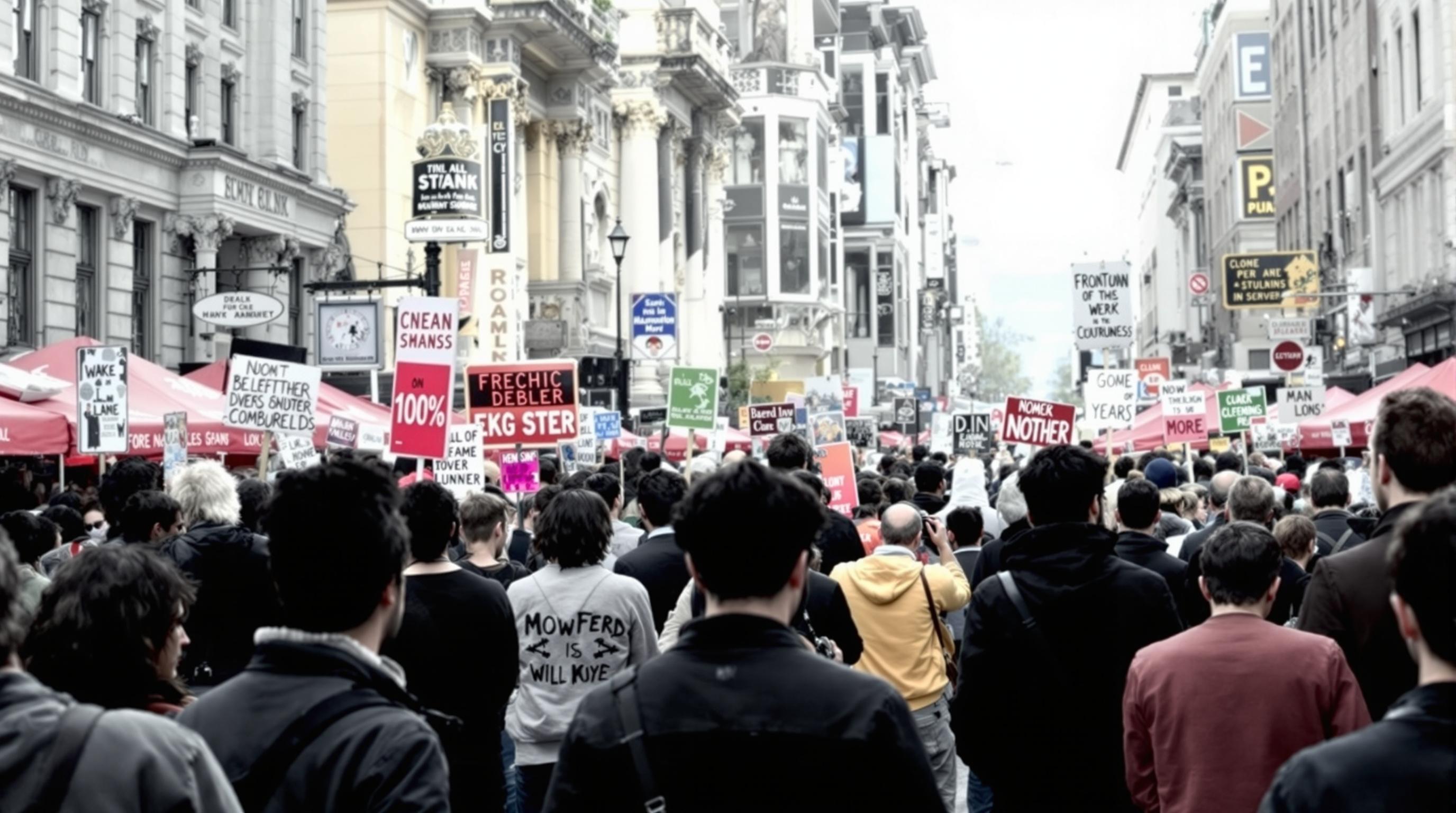
The economic landscape is being increasingly shaped by subcultures, often overlooked by mainstream markets. Understanding their influence reveals fresh insights into contemporary consumer behavior and entrepreneurial innovation.
The Invisible Forces of Change
Subcultures are groups of people who share distinct values, norms, and tastes that set them apart from mainstream society. These communities often emerge from shared interests, social movements, or even countercultural sentiments. They not only influence trends and consumer behavior but also challenge traditional economic models that fail to recognize their significance. After all, what’s cooler than getting to know the passions and preferences of a vibrant community?
Statistics that Speak Volumes
Consider this: a 2021 study by The NPD Group revealed that nearly 25% of Gen Z consumers prioritize brands that align with their personal values, showcasing how subculture-driven consumerism is changing the market. According to a report by McKinsey, personalization in retail—a significant demand driven by subcultures—can increase revenue by 15% and reduce acquisition costs by up to 50%. Companies that ignore these trends do so at their peril.
Case Study: The Sneaker Culture
Let’s take a stroll down the vibrant streets of sneaker culture. Over the years, sneakerheads—passionate collectors, traders, and enthusiasts—have transformed the footwear market. In 2020 alone, the global sneaker market reached a staggering $79 billion, driven largely by this dedicated community's insatiable appetite for limited editions and collaborations. Brands like Nike and Adidas now drop exclusive lines specifically for this group, fueling an economy where a single pair of sneakers can resell for thousands of dollars.
Breaking Down Barriers
In the past, economic models hinged upon supply and demand, largely ignoring the intricate tapestry of consumer subcultures. The rise of e-commerce and social media has shifted this balance. Recently, TikTok has become a pivotal platform where micro-influencers can ignite trends within specific communities, often leading mainstream brands to jump on the bandwagon long after the subculture has already shifted. It’s this dynamic that is shaking the old towers of business practice to their very foundations.
Voices from the Underground
Let’s not underestimate the power of storytelling within subcultures. Their narratives often inform their consumer preferences. Take the goth community, for instance. Not only do they have a distinct aesthetic, but their preferences for niche brands often lead to the revival of lost arts and crafts, like velvet clothing and hand-crafted accessories. Brands catering to this subculture often find success through storytelling that resonates with the community's identity, for example, Lush Cosmetics’ ethical sourcing narratives that appeal to the values of the environmentally conscious.
Making a Case for Inclusivity
Subcultures introduce concepts that challenge traditional economic models, primarily through inclusivity and authenticity. Brands that resonate with these communities often adopt a more inclusive approach, recognizing that embracing diversity leads to richer consumer experiences and loyalty. Look at Fenty Beauty; they didn’t just launch a makeup line, they disrupted the conventional beauty market by offering a wider range of shades that cater to every skin color. This not only addressed a gap in the market but highlighted how a brand can thrive by listening to subcultures and their unique needs.
The Old vs. The New
As we navigate through the changing tides of the industry, it’s clear traditional models are often ill-equipped to accommodate the demands of contemporary consumers influenced by subcultures. According to a Deloitte report, brands that don’t adapt to changing demographics will lose market share. For younger generations, it’s paramount that brands stand for more than just profit—they must advocate for social causes that matter to them. This shift presents a stark contrast to the previous era where brand loyalty was often predicated on product quality alone.
The Power of the Collaborative Economy
Ever heard of "collaborative consumption"? It's the concept of sharing assets or services, and guess which subcultures are leading the charge? From the rise of co-working spaces to shared vehicle services like Zipcar, subcultures are redefining ownership. My friend Lisa, an avid member of the DIY community, regularly hosts swap meets where people can exchange handmade items, thus championing the notion of sharing over consumption, echoing the chorus of “less is more.”
The Pricing Puzzle
Another insightful aspect of subcultures is their unique pricing strategies. Many niche brands adopt unconventional pricing models that resonate with their audience. For example, the freegan movement, promoting a lifestyle of sustainability, challenges traditional notions of profit. Many brands connected to this ethos utilize pay-what-you-can pricing structures, where consumers contribute to the brand's success based on their means rather than a fixed price. It’s not just about making money but creating a community experience.
What’s Next for Corporations?
The question remains: how can traditional corporations tap into these unseen markets? They must first adopt a listening approach. Engaging with subcultures through innovative marketing campaigns—not just generic ads—allows brands to become part of the conversation. The days of one-size-fits-all marketing strategies are over; brands now need to tailor their messaging to resonate with the unique values held by various subcultures.
The Humor in Serious Business
Some businesses take their relationship with subcultures so seriously, it’s downright funny! Take the "dad shoe" craze, where brands like Balenciaga started intentionally designing clunky sneakers that all the fashionable dads would have previously laughed at. What’s next? An entire line of fanny packs for modern hipsters being styled into high fashion? The answer is, don’t discount the power of irony in today’s market!
A Generational Shift
Generational attitudes also play a huge role in subculture-led economic shifts. Millennials and Gen Z are at the forefront, wielding their purchasing power to dictate market trends—often pushing businesses toward sustainability and social responsibility. By 2025, it’s expected that 75% of the global workforce will consist of Millennials and Gen Z. For brands that wish to thrive, adapting to this new consumer landscape where subcultures reign supreme is not just an option; it’s imperative.
Conclusion: The Future Awaits
The future of the economy will undoubtedly be shaped by these unsung subcultures, each packing enough punch to challenge traditional models. As individuals step away from the uniformity of consumerism, brands that listen, adapt, and resonate will not only survive but thrive. It is a call to action for businesses—embrace the unseen market and ride the waves of change, fueled by the passion and uniqueness of subcultures. Because in the end, isn’t that what innovation thrives on?
Read More