Related Articles
- Invisible Threads: How Cultural Heritage Fuels Economic Growth in Off-the-Radar Communities
- How Unconventional Hobbies Can Boost Your Income: Exploring Unlikely Paths to Financial Enlightenment
- Uncommon Currents: How Waterways and Navigation Shaped Unexpected Economic Trajectories in Historical Contexts
- Whispers of Change: The Unlikely Role of Folklore in Crafting Today’s Privacy Policies and Data Protection Laws
- Surreal Shifts: The Unforeseen Role of Psychedelic Wellness in Global Consumer Preferences
- Unveiling the Financial Folly: How Conspiracy Theories Influence Market Behavior and Investor Sentiment
Beneath the Surface: The Impact of Digitization on Traditional Craft Industries in a Globalized Marketplace
Beneath the Surface: The Impact of Digitization on Traditional Craft Industries in a Globalized Marketplace
In an era defined by rapid technological advancement, traditional craft industries are experiencing both challenges and opportunities. This article explores the dual impact of digitization on these industries, revealing the intricate dance between preserving heritage and adapting to a globalized marketplace.
Introduction: The Dilemma of Traditional Crafts
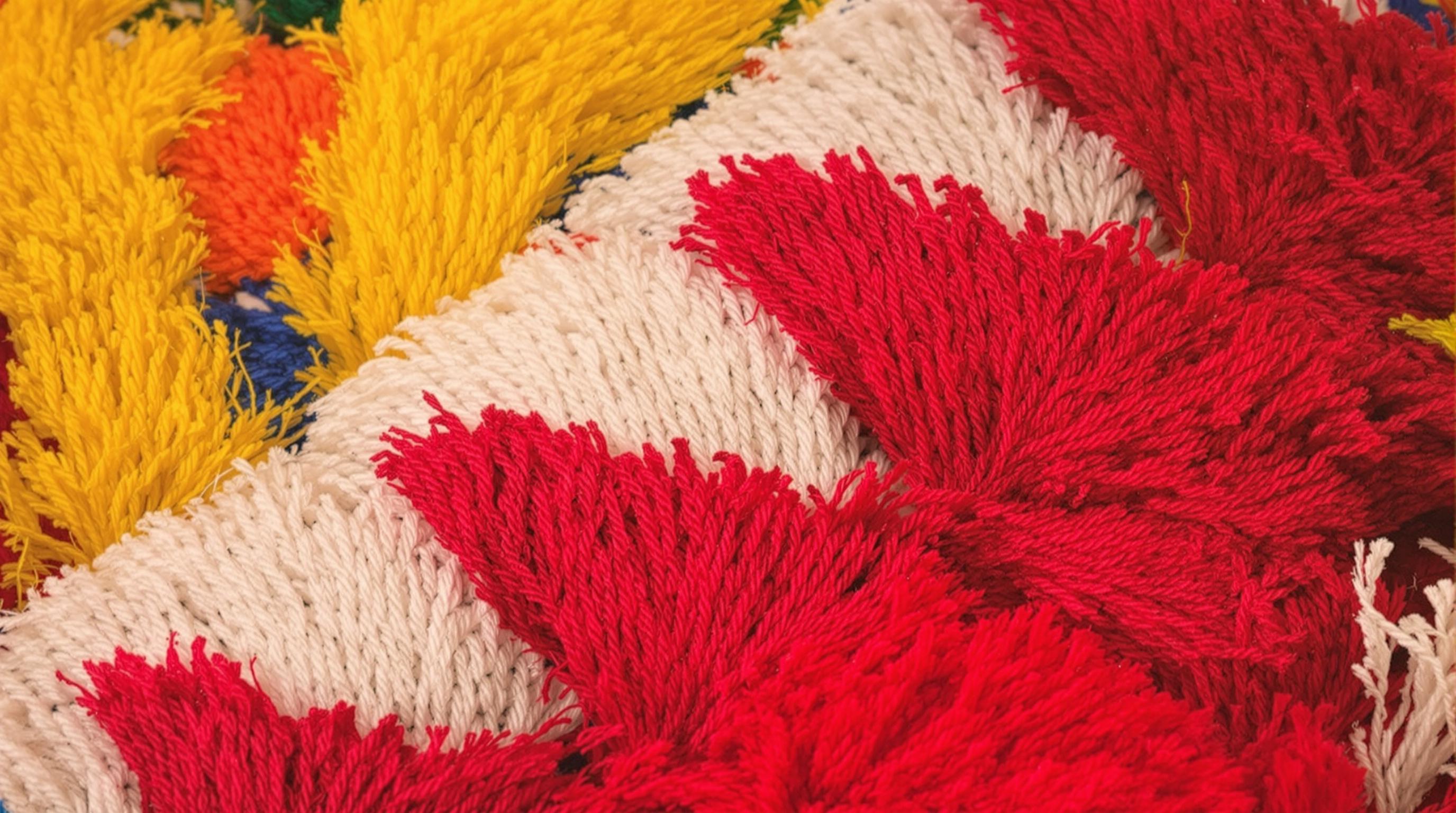
Imagine walking through a bustling marketplace, filled with artisans working diligently at their crafts—potters shaping clay, weavers spinning vibrant textiles, and woodworkers carving exquisite designs. It’s a scene that has persisted for centuries, yet today, the quiet hum of these workshops is accompanied by the digital buzz of notifications and online transactions. The digitization of craft industries poses a critical dilemma: How can creators maintain their age-old traditions while also embracing the technological tools that define the modern world?
The Double-Edged Sword of Technology
When we think of digitization, it's easy to focus on its flaws: the rise of fast fashion leading to the decline of artisanship, or the impersonal nature of online shopping. However, let's not forget the positive facets. In fact, statistics show that 73% of small businesses that utilize digital tools observe growth in their revenue (source: Small Business Administration, 2022). For craft industries, digital platforms like Etsy and social media networks have opened up global marketplaces unseen in previous generations.
Case Study: The Rise of Handmade on Etsy
Take the case of Martha, a 35-year-old ceramic artist from Asheville, North Carolina. For years, she relied solely on local art fairs and word-of-mouth to sell her pottery. But after discovering Etsy, her sales increased by 150% in just one year. "I never imagined that a simple online shop could connect me to buyers in Paris or Tokyo," she states. Martha's experience highlights how digital platforms can invigorate traditional crafts and connect artisans with a broader audience.
Balancing Act: Tradition Meets Modernity
Despite these benefits, many artisans feel a tension between staying true to their craft and adopting new technologies. Lisa, a 50-year-old jewelry maker from Santa Fe, echoes this sentiment. "I worry that the essence of my work gets lost when I focus too much on social media," she says. This struggle reflects a broader concern: Are we sacrificing quality for quantity?
Preservation Through Innovation
Interestingly, some artisans are finding ways to preserve the integrity of their crafts while embracing technology. By using social media to share their stories, they connect emotionally with their customers, fostering loyalty and appreciation for their artistry. This narrative-based marketing is becoming a powerful tool—83% of consumers report that they prefer purchasing from brands that tell a compelling story (source: Nielsen, 2023).
Education and Mentorship in the Digital Age
Another significant impact of digitization on traditional crafts is in the realm of education. Online platforms now offer a plethora of resources for learning skilled crafts through tutorials, webinars, and networking opportunities. Global forums and online communities allow budding artisans to gain knowledge from seasoned professionals. A recent survey indicated that 65% of young artisans use YouTube as their primary source for learning new techniques (source: YouTube Creators, 2023). The democratization of skills is empowering individuals who may not have access to traditional apprenticeships.
Humor in Crafting: Keeping It Light
Of course, with every innovation, there's a comedic twist. Ever tried to learn macramé through a TikTok video only to end up with a plant hanger that looks like a confused octopus? Many artisans chuckle at the struggle—for every viral DIY tutorial, there’s a slew of memes about how "not" to do it. Yet, it’s all in good fun! Thankfully, the craft community often shares a mentality that failure is just a step towards a better outcome, making the learning process fun.
The Cultural Implications of Globalization
As more artisans go digital, a question arises about cultural appropriation and the authenticity of traditional crafts. In a globalized marketplace, how do we ensure that the narratives of cultural artisans are respected? The backlash against "Instagrammable" crafts that strip away their cultural significance highlights a need for sensitivity and respect. For instance, when a popular influencer marketed "tribal-inspired" jewelry without acknowledging its origins, it sparked outrage across various communities. Such actions underline the importance of meaningful storytelling and cultural representation.
The Road Ahead: Collaborations and Hybrid Models
Looking to the future, many predict that a hybrid model will emerge, blending traditional craft techniques with digital tools. For example, artisans can collaborate to create limited-edition collections, merging various craft styles while promoting each other's stories through their social media platforms. Indeed, such partnerships can often produce breathtaking results, expanding both reach and appreciation for crafts.
The Japanese concept of "Mottainai," which emphasizes reducing waste and cherishing resources, is an excellent guiding principle here. This mindset not only applies to physical materials but can also extend to digital resources, encouraging sustainable practices within craft industries.
Statistics that Speak Volumes
According to a report by the International Trade Centre, artisans leveraging digital marketing strategies can expect a 20% increase in sales on average over those who do not. These numbers may encourage even the most traditional crafters to consider how they can adapt and thrive in a digital era.
Conclusion: Embracing Change Without Losing Heritage
Ultimately, digitization offers both hurdles and opportunities for traditional craft industries. As artisans navigate this new landscape, they must find a balance between innovation and authenticity. Embracing change does not mean abandoning heritage; instead, it creates a bridge that connects generations, ensuring that talents are not only preserved but also celebrated in the global marketplace.
As we move forward, let us celebrate the artisans who are courageously embracing digitization while cherishing the stories and values behind their crafts. Because, after all, every piece tells a story—even if that story began with a confused octopus of a plant hanger!
Read More