Related Articles
- Invisible Threads: How Cultural Heritage Fuels Economic Growth in Off-the-Radar Communities
- How Unconventional Hobbies Can Boost Your Income: Exploring Unlikely Paths to Financial Enlightenment
- Uncommon Currents: How Waterways and Navigation Shaped Unexpected Economic Trajectories in Historical Contexts
- Whispers of Change: The Unlikely Role of Folklore in Crafting Today’s Privacy Policies and Data Protection Laws
- Surreal Shifts: The Unforeseen Role of Psychedelic Wellness in Global Consumer Preferences
- Unveiling the Financial Folly: How Conspiracy Theories Influence Market Behavior and Investor Sentiment
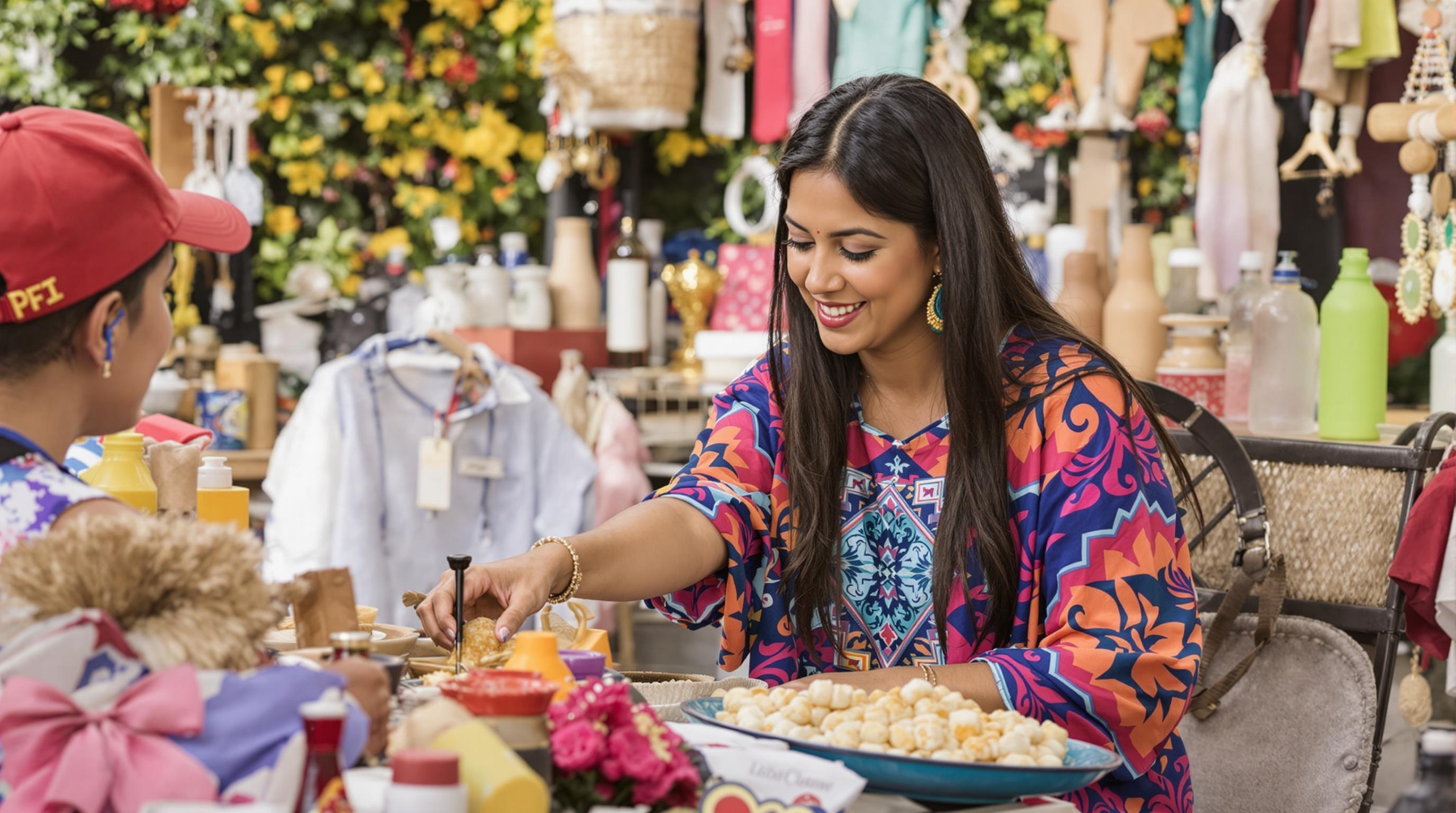
Cultural Exchange in Commerce: How Folklore is Influencing Brand Narratives in Global Markets
Cultural Exchange in Commerce: How Folklore is Influencing Brand Narratives in Global Markets
Cultural exchange in commerce is weaving the storied threads of folklore into the fabric of global branding, creating narratives that resonate across borders. This article delves into how folklore is influencing brands today—highlighting examples, statistics, and case studies that reveal the powerful effects of cultural stories in modern marketplaces.
Understanding Cultural Exchange
To grasp the depth of cultural exchange in commerce, it’s essential to understand what it entails. Cultural exchange is not merely about the sharing of ideas but also about the influence of folklore and traditions on brand narratives. This phenomenon has seen brands harnessing local myths and legends to construct compelling stories that resonate with audiences worldwide. With the market projected to reach $2.84 trillion by 2026 (Statista, 2023), brands are keenly aware that authentic storytelling isn't just a strategy—it's a necessity.
The Power of Folklore
Folklore carries a unique weight; it's often steeped in history, moral lessons, and cultural identity. Just think about it: an Italian pasta brand using tales of ancient Roman ecology or a Swiss chocolate company referencing the art of alpine folklore is tapping into rich legacies. In the age of globalization, tapping into local folklore allows brands to create an emotional connection with consumers that transcends language and distance. When stories resonate, they create a slew of positive associations and loyalty with the product.
Case Study: Coca-Cola’s Global Campaigns
Let's explore Coca-Cola, a brand that's effectively leveraged folklore across multiple cultures. Through its 'Taste the Feeling' campaign, Coca-Cola employed folk narratives from regions around the world—from Latino tales of family gatherings around a diner table to Asian legends celebrating hospitality. The brand repurposed local stories into a universal theme of happiness and togetherness, showing that while tastes might differ, the emotions tied to sharing a drink are universally relatable. This strategic cultural embedding not only expanded their global reach but also increased sales by 2.5% in 2018 (Coca-Cola Annual Report, 2019).
Humor and Folklore: A Winning Combo
Sometimes, humor is the best way to weave folklore into brand narratives. Remember the infamous Old Spice commercials featuring 'The Man Your Man Could Smell Like'? While the mythological angle was not front and center, they cleverly played on the idea of exaggerated legend—turning ordinary objects into the stuff of epic tales. By merging playful humor with a modern interpretation of masculine folklore, Old Spice rejuvenated its brand and saw a whopping 125% increase in sales (AdAge, 2010). Who doesn't enjoy a good laugh while connecting it to a brand they love?
Brand Narrative: A New Age of Storytelling
The crafting of brand narratives has entered a transformative stage. Today's consumers are not just passive recipients of marketing messages, but active participants in what they consume. According to a report from Nielsen, 67% of consumers want brands to tell stories that resonate with their values and beliefs. In response, brands are weaving folklore into their narratives—drawing on local tales to speak authentically to diverse audiences.
Folklore as a Tool for Inclusivity
By embracing the tales of varying cultures, brands are not only diversifying their narratives but also promoting inclusivity. For example, skincare brand Lush uses stories from Indigenous communities, highlighting traditional knowledge about plants to market their products. This not only celebrates unique cultures but also empowers those communities by giving them a platform. The results are clear: brands that prioritize inclusivity can see up to a 25% increase in customer loyalty (McKinsey, 2021).
The Role of Technology in Amplifying Folklore
In today's digital age, technology plays an instrumental role in how folklore shapes brand narratives. Social media platforms allow brands to share these stories widely and engage audiences interactively. From Twitter threads delving into the legends behind a product to Instagram stories showcasing the cultural significance of ingredients, brands are harnessing technology to spread these narratives far and wide.
Statistics and Trends
According to a study conducted by Deloitte, brands that integrate cultural narratives into their marketing strategies report a 35% increase in engagement rates. This is a testament to the fact that consumers are more likely to engage with brands that respect and embrace cultural storytelling. Additionally, social media campaigns that include cultural references see 60% more shares than those that do not (Sprout Social, 2022).
Folklore in Fashion
The fashion industry is also embracing the cultural storytelling trend. Brands like Gucci and Dior have launched collections inspired by folklore from various cultures. These collections not only celebrate diversity but also provide a platform for artisans to share their craft on a global stage. A recent report by Business of Fashion noted that fashion brands embracing cultural narratives are gaining traction, with sales climbing by an average of 15% for collections rooted in folklore (BoF, 2023).
A Cautionary Tale: Misappropriation vs. Appreciation
However, it’s essential to tread lightly when utilizing folklore in branding. The line between cultural appreciation and appropriation is thin and often contentious. Brands must ensure they’re not merely cashing in on cultural symbols without any understanding or respect for their significance. For example, when a prominent fast fashion retailer used an Indigenous design without permission, it triggered public backlash, resulting in substantial reputational damage and a 30% drop in sales for that product line (The Guardian, 2020).
The Future of Brand Narratives
Looking to the future, the challenge will be to balance authenticity with creativity. As more brands jump onto the folklore bandwagon, originality will become increasingly important. This means continually innovating while respecting the cultural nuances that influence these stories. According to a report from Accenture, 75% of consumers believe brands should actively promote diversity and inclusion, making it imperative for businesses to not only share stories but live them authentically (Accenture, 2023).
Conclusion: Narratives that Resonate
In summary, the integration of folklore into brand narratives offers a rich tapestry of storytelling that captures the imagination of global audiences. As brands look to the future, those that embrace cultural exchange with genuine respect and creativity will not only stand out in crowded marketplaces but also cultivate lasting relationships with their customers. So whether it’s a local coffee shop sharing the tale behind their brew or a multinational corporation celebrating age-old myths in their marketing, the potential for folklore to influence brand narratives in commerce is boundless and full of promise. The global marketplace is a cultural melting pot, and the stories we choose to tell will shape the brands of tomorrow.
Read More