Related Articles
- Invisible Threads: How Cultural Heritage Fuels Economic Growth in Off-the-Radar Communities
- How Unconventional Hobbies Can Boost Your Income: Exploring Unlikely Paths to Financial Enlightenment
- Uncommon Currents: How Waterways and Navigation Shaped Unexpected Economic Trajectories in Historical Contexts
- Whispers of Change: The Unlikely Role of Folklore in Crafting Today’s Privacy Policies and Data Protection Laws
- Surreal Shifts: The Unforeseen Role of Psychedelic Wellness in Global Consumer Preferences
- Unveiling the Financial Folly: How Conspiracy Theories Influence Market Behavior and Investor Sentiment
Disruptive Innovations in Unearthed Sectors: The Unexpected Future of Global Financial Systems
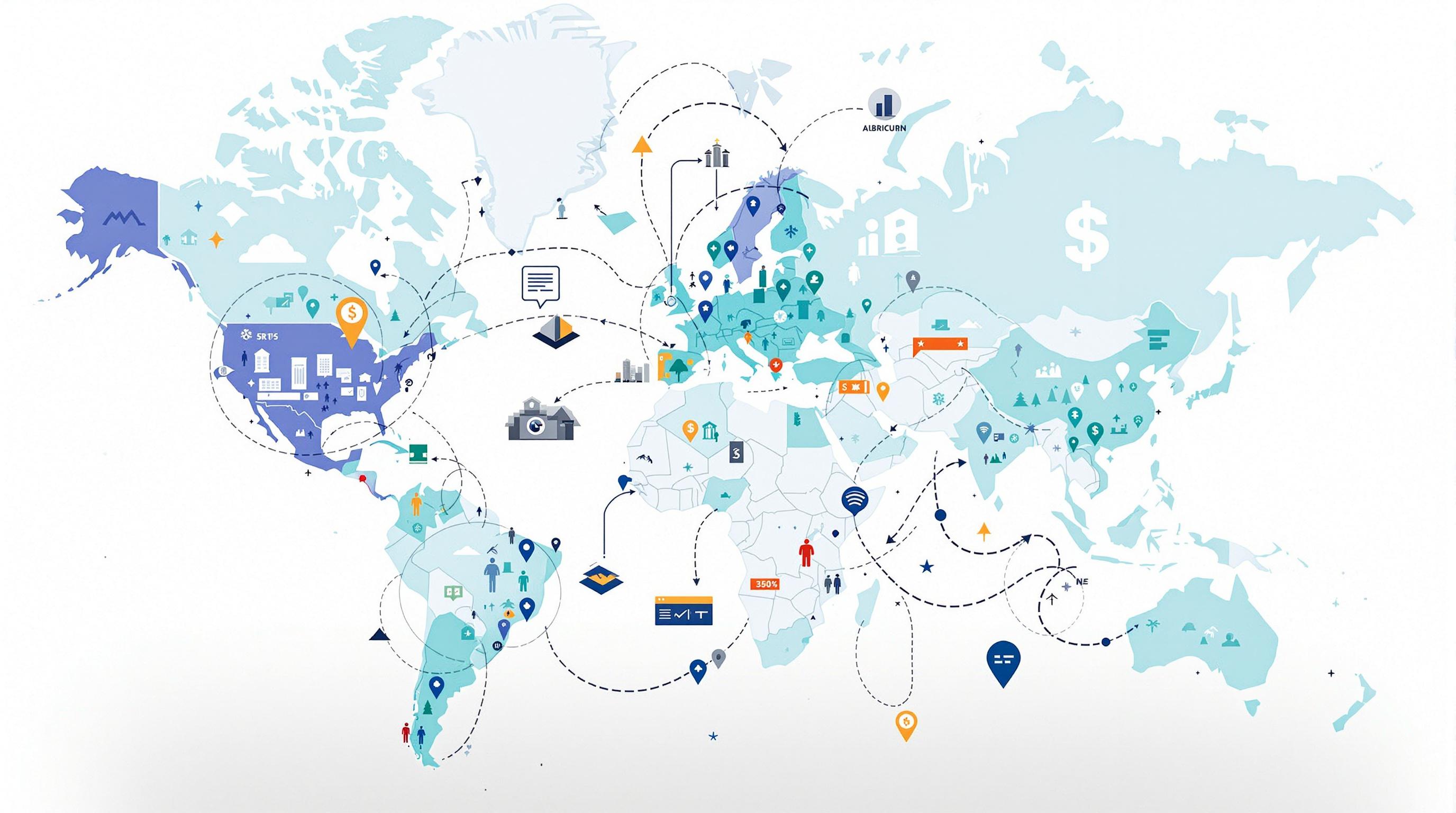
Disruptive Innovations in Unearthed Sectors: The Unexpected Future of Global Financial Systems
Disruptive innovations are transforming sectors that were once deemed unshakeable, leading us toward an unexpected future for global financial systems. From blockchain technology to AI-powered financial services, the landscape of finance is being redefined, promising profound shifts in accessibility, security, and efficiency.
Introduction: The Unlikely Disruptors
Picture a world where your next banker isn’t a person in a suit but an AI running on a decentralized network. This is the reality propelled by disruptive innovations that are making their way into finance, and they are more inclusive, customer-friendly, and cost-effective than anything we've seen before.
The Blockchain Revolution: Decentralization at Its Best
Let’s take a moment to unwrap the enigma that is blockchain. Originally created for cryptocurrency transactions, blockchain technology is emerging as a game-changer in financial services. In 2021 alone, the global blockchain market was valued at approximately $3 billion and is expected to reach around $69 billion by 2027 (Statista). This explosive growth illustrates just how rapidly the industry is adapting to this technology.
Imagine being able to transfer your money without needing a third-party bank, enjoying lower fees while ensuring security and speed. Blockchain, with its transparent ledger system, can achieve this, eliminating the need for a central authority and, in turn, minimizing the risk of fraud. Companies like Ripple are already harnessing this technology to transform international money transfers, making them faster and cheaper than traditional methods.
The Rise of FinTech Startups: David vs. Goliath
FinTech startups are giving the financial giant institutions a run for their money. No longer are consumers limited to banking options dictated by traditional banks; innovations have led to companies like Revolut and Chime redefining what it means to manage money.
Consider Robinhood, a brokerage app that upped the ante by allowing commission-free trades and unlocking the stock market for everyday people. In just a few years, it amassed approximately 18 million users, showcasing the immense appetite for accessible financial platforms. According to a 2020 study by Statista, nearly 46% of users felt that they had not had proper access to financial services prior to these innovations. Imagine the power shift that accompanies such accessibility!
A Cautionary Tale: Security Risks Looming Ahead
Of course, not every story in this brave new world is sunshine and roses. As we embrace new technologies, the lurking shadow of cybercrime grows ever darker. In 2021, the Financial Crimes Enforcement Network reported a staggering $1.9 billion in total illicit payments involving cryptocurrencies.
It raises the question: how prepared are we to protect these emerging infrastructures? A 2022 report from Chainalysis found that illicit cryptocurrency transactions made up nearly 0.15% of all crypto transactions, a sizeable amount given the meteoric rise of digital currencies. Learning to protect ourselves in this space becomes as much a priority as the innovations we pursue.
AI: The New Financial Analyst
Next on our list of innovators is artificial intelligence. Imagine having a financial advisor who never sleeps, providing real-time insights based on tons of data while honing its skills over time. AI encompasses everything from robo-advisors to fraud detection systems.
In 2023, AI-driven financial tools helped reduce fraud rates by nearly 75% for organizations that adopted them (McKinsey). The speed and scale at which AI can analyze and respond to financial patterns far exceed human capabilities. Likewise, brainchilds like Wealthfront use AI to manage investment portfolios, leveling the playing field for everyday investors.
Regulatory Challenges and Opportunities
Yet, with great innovation comes great responsibility. Governments across the globe are playing catch-up to ensure that consumers remain protected, even as new solutions arise. In certain nations, regulators have begun to embrace the concept of 'sandboxing,’ allowing startups to test their innovations under a controlled environment, minimizing risk while maximizing learning.
The UK’s Financial Conduct Authority (FCA) was among the first to implement a regulatory sandbox, allowing more than 100 firms to fine-tune their business models. A win-win situation, right? Well, not exactly! As much as regulators strive to protect consumers, the process can slow down innovation, leading to the argument that overregulation can kill the very essence of financial advancement.
Data Ownership: A New Age Dilemma
With all this technology documenting everything about us, who truly owns our data? Every click, swipe, and transaction is tied to your identity, and it’s not just companies that benefit from this data—hackers do as well. The concept of self-sovereign identity is emerging, with projects like uPort enabling individuals to manage their own identities, allowing them to choose who sees their data and, crucially, who profits from it.
In a post-2020 world, where data breaches have become commonplace, regaining control over personal data isn’t just a luxury; it’s essential. Consumers are becoming more aware and demanding transparency, paving the way for innovations that respect personal data ownership. The Future is now, or as I like to say, “Welcome to the data jungle!”
Case Study: The Resilience of Microfinance
Microfinance began as a way to empower communities in poverty-stricken areas by providing small loans. What started as a grassroots movement led by Muhammad Yunus in Bangladesh has now exploded into a crucial financial tool, particularly in underdeveloped nations. The innovation lies not just in providing loans but leveraging technology to reach previously unbanked populations.
For instance, M-Pesa revolutionized mobile banking in Kenya, allowing users to transfer money and gain access to credit through their mobile phones. Today, M-Pesa boasts over 40 million users, highlighting how technology can make impactful changes in financial accessibility.
The Humor of Trusting Algorithms
So here’s the rub: While algorithms are designed to crunch numbers faster than we can blink, can we really trust them blindly? From a humorous standpoint, trusting an algorithm to make financial decisions for you could be like asking your cat to manage your investments—you might end up with a pile of glittery catnip and nothing else!
Future Predictions: What Lies Ahead
As we navigate this stormy ocean of disruptive innovations, what does the future hold? Experts predict an exponential growth in the integration of Artificial Intelligence and Machine Learning in financial advisory services, crafting highly personalized financial roadmaps.”
Ultimately, as we move into a future laden with possibilities, we could also witness the emergence of truly ethical financial platforms—those that prioritize the well-being of their users over profit. Could blockchain make this possible? Could personal financial responsibility finally take center stage? Who knows, but the possibilities seem endless.
Conclusion: The Financial Navigator of Tomorrow
The realm of finance is alive and kicking, bustling with innovations that promise greater accessibility, efficiency, and security. While challenges remain—particularly in data security and regulation—this is a narrative that seems to follow the age-old theme of human ingenuity and resilience.
The financial systems of tomorrow will likely look remarkably different from the ones we know today. By riding the waves of disruptive innovations, we can sail into a future where finance is not an exclusive club for the wealthy but a robust system for everyone. Whether you’re a millennial just beginning in this arena or a seasoned professional with decades of experience, this evolution in finance offers something valuable for all.
Read More