Related Articles
- Invisible Threads: How Cultural Heritage Fuels Economic Growth in Off-the-Radar Communities
- How Unconventional Hobbies Can Boost Your Income: Exploring Unlikely Paths to Financial Enlightenment
- Uncommon Currents: How Waterways and Navigation Shaped Unexpected Economic Trajectories in Historical Contexts
- Whispers of Change: The Unlikely Role of Folklore in Crafting Today’s Privacy Policies and Data Protection Laws
- Surreal Shifts: The Unforeseen Role of Psychedelic Wellness in Global Consumer Preferences
- Unveiling the Financial Folly: How Conspiracy Theories Influence Market Behavior and Investor Sentiment
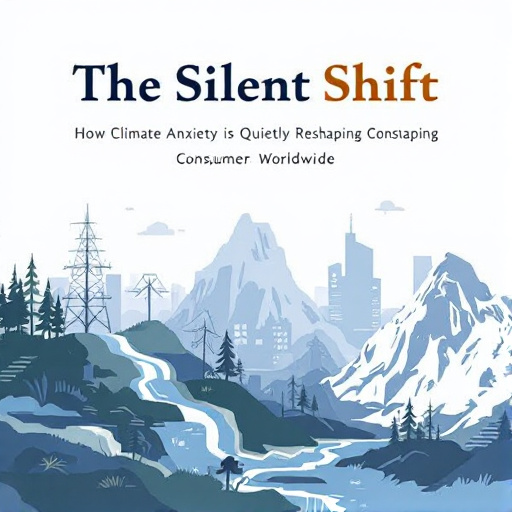
The Silent Shift: How Climate Anxiety is Quietly Reshaping Consumer Behavior Worldwide
The Silent Shift: How Climate Anxiety is Quietly Reshaping Consumer Behavior Worldwide
Climate anxiety is increasingly becoming a notable force affecting consumer behavior globally, driving individuals to make more sustainable choices. As this subtle yet profound shift continues to unfold, brands are compelled to adapt or risk losing relevance in a world where every purchase reflects a larger environmental consciousness.
The Rise of Climate Anxiety
In our rapidly changing world, climate anxiety isn’t just a buzzword; it’s an emotion that has found its way into the daily lives of consumers, making them more hyper-aware of their purchasing decisions. In fact, a recent study by the American Psychological Association reported that 68% of respondents felt at least a moderate level of anxiety about climate change (APA, 2021).
Understanding Climate Anxiety
So, what is climate anxiety? It is a term used to describe the chronic fear of environmental doom—a psychological realization that our planet is under threat. It often manifests as feelings of hopelessness, frustration, or a sense of being overwhelmed, impacting settings from personal relationships to consumer habits. This emotional toll is particularly prevalent among younger generations, with 75% of Gen Z expressing concerns over their future due to climate change (Institute for the Future, 2020).
The Young and the Green
Let’s talk about the younger generations. Millennials and Gen Z are leading the charge for sustainability, not just at protests, but also in their wallets. According to research by Nielsen, 73% of millennials are willing to pay more for sustainable goods. They’re not just the future; they are shaping the present and bending consumer markets to their will.
Imagine a 25-year-old named Sam who needs a new pair of sneakers. He’s scrolling through his phone and comes across two options: a leading brand that has a history of contributing to environmental damage and a sustainable brand that utilizes recycled materials and eco-friendly practices. Which one do you think Sam will choose? The numbers point to the obvious: conscious purchasing has become a rallying cry for the eco-savvy generation.
Brands Taking Notice
As climate anxiety grows, so does the awareness among companies. The sustainable business model is no longer a niche segment; it’s becoming mandatory in appealing to modern consumers. Companies like Unilever have reported that their products marketed as sustainable are growing faster than their traditional products, indicating a clear shift in consumer preferences.
The clothing chain H&M launched their Conscious Collection, which features sustainable fabrics and eco-friendly processes. The campaign saw an immediate uptick in sales—showing that aligning brand values with consumer ethics pays off. Not only does this help the planet, but it also creates a significant competitive edge.
The Power of Social Media
In a world dominated by social media, awareness of climate change has surged. Influencers like Greta Thunberg have captured the hearts of millions, encouraging brands and individuals alike to take action. According to a Pew Research Center survey, 56% of teenagers use social media to engage in climate advocacy, reinforcing the role of platforms in shaping consumer sentiment.
If you haven’t seen the TikTok trends promoting sustainable fashion, have you even been on the internet lately? These trends often manifest as 'thrift flips' or 'upcycling challenges' that celebrate creative reuse. Young consumers are showcasing their eco-conscious choices, demonstrating that sustainability can also be trendy and fun.
Statistics Tell the Tale
Here’s the scoop: a survey by Accenture found that 60% of global consumers prefer to buy sustainable products, even if they are more expensive. This is not just a fleeting trend; it’s a seismic shift in the marketplace. The data shows that brands embracing sustainability are not just being trendy, they are actually innovating—creating the foundation for a regenerative future.
Case Studies: Brands Leading the Charge
A prime example of a company shifting its strategy to accommodate eco-conscious consumers is Patagonia. An outspoken advocate for sustainability, they have pioneered the practice of the "buy-back" program, allowing customers to return old gear for store credit—reducing waste and encouraging reuse. This initiative has not only resonated with their customer base but has also gained significant media attention, resulting in increased sales and brand trust.
Another notable brand is Tesla, which redefined the automotive industry with its electric vehicles. Its founder, Elon Musk, has often stated that his mission goes beyond profits; it’s about ensuring the future of humanity—a sentiment that resonates with conscious consumers. The result? The brand is valued at *over* $1 trillion, a testament to how aligning values with consumer ethics can build an empire.
The Ripple Effect
As more consumers become attuned to their purchasing power, the ripple effects extend beyond individual choices. This shift is prompting large corporations to reconsider their entire supply chains—from sourcing materials to production methods. Brands like Coca-Cola have been exploring plant-based bottles while fast fashion retailers are slowly transitioning to more sustainable materials.
But It’s Not All Roses
Of course, it’s not all sunshine and rainbows. The reality is that not every brand is equipped to adapt to these changes seamlessly. There are accusations of “greenwashing,” where companies misrepresent or exaggerate their eco-friendly efforts to attract sustainability-minded consumers. The key here is authenticity—brands must genuinely commit to sustainable practices to avoid backlash and erosion of trust.
Personal Stories: The Consumers Speak
Lily, a 19-year-old college student, shared, “I’ve become more conscious of what I buy. It started with my skincare products, then flowed into my food and clothing. It’s like this wave of awareness just hit me and I can’t go back.” Lily’s story exemplifies the broader trend; consumers are on a journey toward aligning their purchases with their values.
Similarly, an environmental scientist named Mark expressed, “It’s painful to see so much disregard for the environment. I now research brands before I give them my money, and it feels good to know I am choosing wisely.” His sentiment echoes the shift toward informed consumerism, underscoring how climate anxiety compels individuals to play an active role in the fight against environmental degradation.
The Future of Consumption
What does the future hold for consumers as climate anxiety continues to reshape behavior? It’s hard to say definitively, but trends indicate that consumer preferences will only grow greener. Expect to see more innovations around sustainability—like integrated into subscription services that only send eco-friendly products or breakthroughs in biodegradable packaging technology. As consumers advocate for change, businesses will have to listen or risk extinction.
Moreover, governments and NGOs are beginning to jump on board, understanding that this seismic shift in consumer behavior can have a transformative impact. National policies aimed at tackling climate change are now finding their way into everyday products, pushing the sustainability agenda further into the mainstream.
The Strategies for Success
Brands looking to thrive amidst this shift must embrace some key strategies: transparency, authenticity, and engagement are paramount. Today’s consumers are equipped with information and will not hesitate to research your supply chain, your ingredients, or your carbon footprint. A company like Everlane has capitalized on this with its “radical transparency” approach, providing consumers with the true cost of production and where their clothes come from.
A Call to Action
It’s clear that climate anxiety is not a passing phase; it’s a lasting change in consumer behavior that challenges the status quo. Consumers wield an unprecedented level of influence in today’s marketplace, shaping the practices of brands and insisting upon accountability. Now's the time for every individual, every organization, and every institution to consider how they can contribute to a sustainable future. Do we want a world consumed by climate anxiety, or do we want to be leaders of change?
Conclusion: Embracing the Change
At the end of the day, the silent shift of climate anxiety presents an opportunity—an opportunity for individuals to reclaim their power as consumers and for brands to step up as responsible participants in the global economy. By fostering transparency and commitment to sustainability, businesses can navigate this new landscape and emerge as leaders. It’s not just about surviving; it’s about thriving in a world where every decision counts. Whether you’re a teenager, a millennial, or someone forging ahead in life, remember: our choices can shape the future.
In the words of environmental activist Wangari Maathai, “It’s the little things citizens do. That’s what will make the difference. My little thing is planting trees.” Every choice we make in our daily lives adds up—so let’s make those choices matter.
Read More