Related Articles
- Invisible Threads: How Cultural Heritage Fuels Economic Growth in Off-the-Radar Communities
- How Unconventional Hobbies Can Boost Your Income: Exploring Unlikely Paths to Financial Enlightenment
- Uncommon Currents: How Waterways and Navigation Shaped Unexpected Economic Trajectories in Historical Contexts
- Whispers of Change: The Unlikely Role of Folklore in Crafting Today’s Privacy Policies and Data Protection Laws
- Surreal Shifts: The Unforeseen Role of Psychedelic Wellness in Global Consumer Preferences
- Unveiling the Financial Folly: How Conspiracy Theories Influence Market Behavior and Investor Sentiment
Navigating the Shadows: How Underground Economies Challenge Traditional Regulatory Frameworks
Navigating the Shadows: How Underground Economies Challenge Traditional Regulatory Frameworks
Underground economies operate invisibly alongside regulated markets, presenting a multifaceted challenge to traditional regulatory frameworks. This article explores the dynamics of these shadowy systems, examining their social, economic, and legal implications while offering insights into how regulators might adapt to these persistent shadows.
Understanding Underground Economies
Before we dive into the depths of underground economies, let’s first define what we’re talking about. Underground economies refer to economic transactions that occur outside of government regulation, taxation, or oversight. This includes everything from unreported income to illegal activities like drug trafficking. In a study by the International Monetary Fund, it was estimated that underground economies could account for up to 13% of global GDP (IMF, 2019). Now, that’s a staggering amount of money slipping through the cracks!
Why Do Underground Economies Exist?
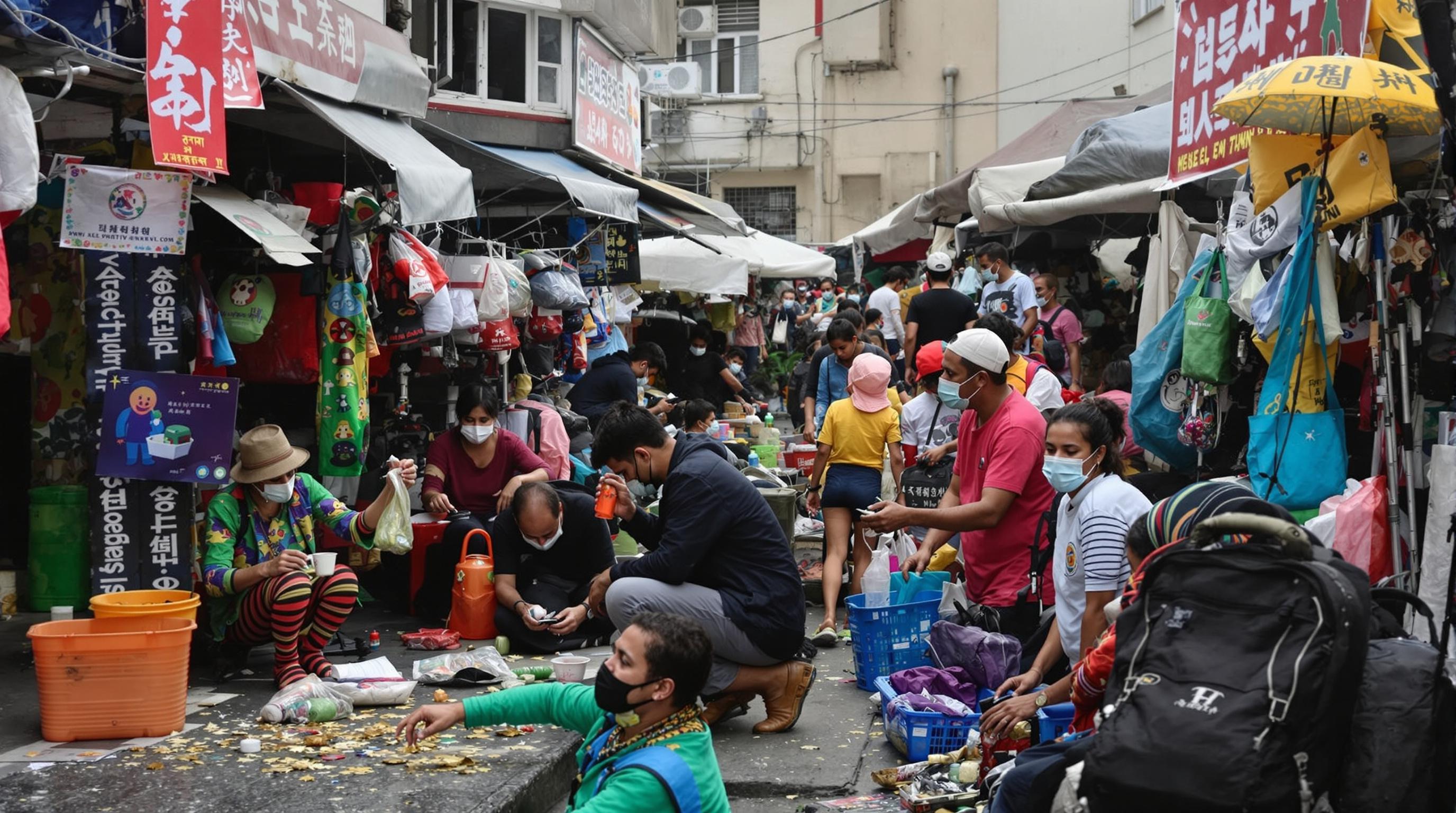
Imagine a world where laws are a giant game of Monopoly, but some players choose not to follow the rules. This sentiment resonates with many involved in underground economies, where the allure of avoiding taxation and regulations often outweighs the risks. In the case of street vendors in major cities, some operate without permits, providing cheaper alternatives to formal services, compelling both consumers and workers into a shadowy but vibrant economy. It’s a trade-off—saving a few bucks at the cost of legality.
A Humorous Take on Underground Markets
Have you ever walked into a flea market and felt like you’ve just crossed into a secret world? You might see a “genuine imitation” Rolex or bump into someone selling “vintage champagne” (which is actually just sparkling water). These underground markets can be amusing in their absurdities, offering everything from knock-off merchandise to unsanctioned street food. But behind the jokes, serious socioeconomic dynamics are at play. And yes, some buyers might actually regret their “genuine” purchases!
The Economic Impact of Underground Economies
Every year, millions of individuals engage in underground economies out of necessity. According to an OECD report, 90% of workers in some developing countries participate in the informal economy. This is particularly true in areas where job prospects are scarce or where bureaucratic barriers stifle legitimate business operations. For many, the underground economy is not a choice but a lifeline.
Case Studies from Around the Globe
In Italy, the prevalence of the “shadow economy” has been linked to cultural attitudes toward tax evasion. Italians have historically viewed tax evasion as a norm rather than a crime. A study conducted by the University of Bari found that about 27% of the country’s workforce participates in informal economic activities, significantly impacting the country’s tax revenues.
On the flip side, in countries like Sweden where regulations are stringent, efforts to combat the underground economy involve heavy taxation and strict penalties. Yet, even there, the aromatic allure of cash-only transactions for services, such as house cleaning or lawn work, proves irresistible to some. Such behavioral patterns highlight the economic tug-of-war between regulatory measures and individual economic survival.
The Consequences of Regulating the Unregulated
Regulators face a challenging dilemma when combating underground economies. Too strict, and they risk alienating segments of the population who rely on these informal avenues for income. Too lenient, and they risk undermining legitimate business operations, discouraging entrepreneurship, and reducing governmental revenues. It’s a delicate dance requiring finesse, empathy, and an understanding of human behavior. As Mark Twain once quipped, “It's no wonder that truth is stranger than fiction. Fiction has to make sense.”
Adaptation and Innovation in Regulatory Frameworks
To truly understand how to regulate the unregulated, it’s essential for policymakers to innovate. Blockchain technology has emerged in recent years as a potential tool for improving regulatory transparency while still accommodating the needs of underground economies. Governments can leverage cryptocurrencies to track transactions, thereby creating a more transparent, albeit more complex, regulatory framework. This is where the digital age meets economic evolution.
Stories from the Streets
Let’s step into the shoes of Maria, a street vendor in New York City. With her homemade empanadas, she takes to the streets every Saturday. Despite the risks of operating without a permit, Maria’s business brings her joy and helps support her family. Maria tells a story of resilience; while she understands the need for regulations, she argues, “If the city let us operate legally, we wouldn’t have to fear the police every weekend.” Her story illustrates a key point—many in the underground economy prefer regulation that considers their realities rather than blanket enforcement. Instead, a cooperative model could foster better compliance while promoting entrepreneurship.
Technology: A Double-Edged Sword
Email marketing. Social media. Cryptocurrencies. Technology has undeniably changed the way underground economies operate. For instance, while policing these shadow markets, authorities are increasingly finding themselves outmatched by the innovative tactics employed within them. A study by the World Bank indicates that digital currencies often create avenues for money laundering and tax evasion, complicating efforts to transition these economies into the regulated framework.
However, the same tools offer opportunities for regulators as well. Real-time data analytics can help identify informal markets and bring them into compliance. Governments can harness these technologies to promote transparency, ensuring that players in underground economies have the resources to transition into the formal market. The trick is to balance regulation with understanding the human elements at play.
Rethinking Regulation: A Collective Approach
Regulation shouldn’t be a top-down affair. Engaging with communities involved in underground economies can provide invaluable insights for policymakers. As the old adage goes, “If you can’t beat them, join them.” Considering recent participatory policy-making trends could lead to a more inclusive approach. Workshops, community forums, and collaborative networks can serve to educate and inform vendors, while also providing them with the knowledge and tools to transition smoothly into the formal economy.
Persuasive Arguments for Change
Imagine a world where underground economies are fully integrated into the formal economy. This could lead to increased tax revenues, improved public services, and a more equitable economic landscape. For every untaxed dollar earned in the shadows, that’s a dollar not going towards public infrastructure, healthcare, or education. In countries like Kenya, the integration of mobile money systems into their economies has already begun transforming informal workers’ lives, allowing for safer, more efficient transactions (World Bank, 2023).
Conclusion: Into the Light
As we journey through understanding underground economies, it becomes clear that they’re not going away anytime soon. Addressing the challenges they pose to traditional regulatory frameworks requires innovation, empathy, and cooperation. Navigating these shadows can illuminate paths forward, ultimately allowing us to bring these productive networks into the light, creating a more just and sustainable economy where everyone can thrive.
In this remixed narrative of shadows colored by both humor and seriousness, let’s remember that the goal is not merely to crack down on the invisible but to empower all players in the economic landscape. As we inch closer to a more integrated society, perhaps the shadows will fade, and a new dawn will arise where underground economies flourish side by side with legitimate businesses, harmonizing the potential for economic prosperity for all.
Read More